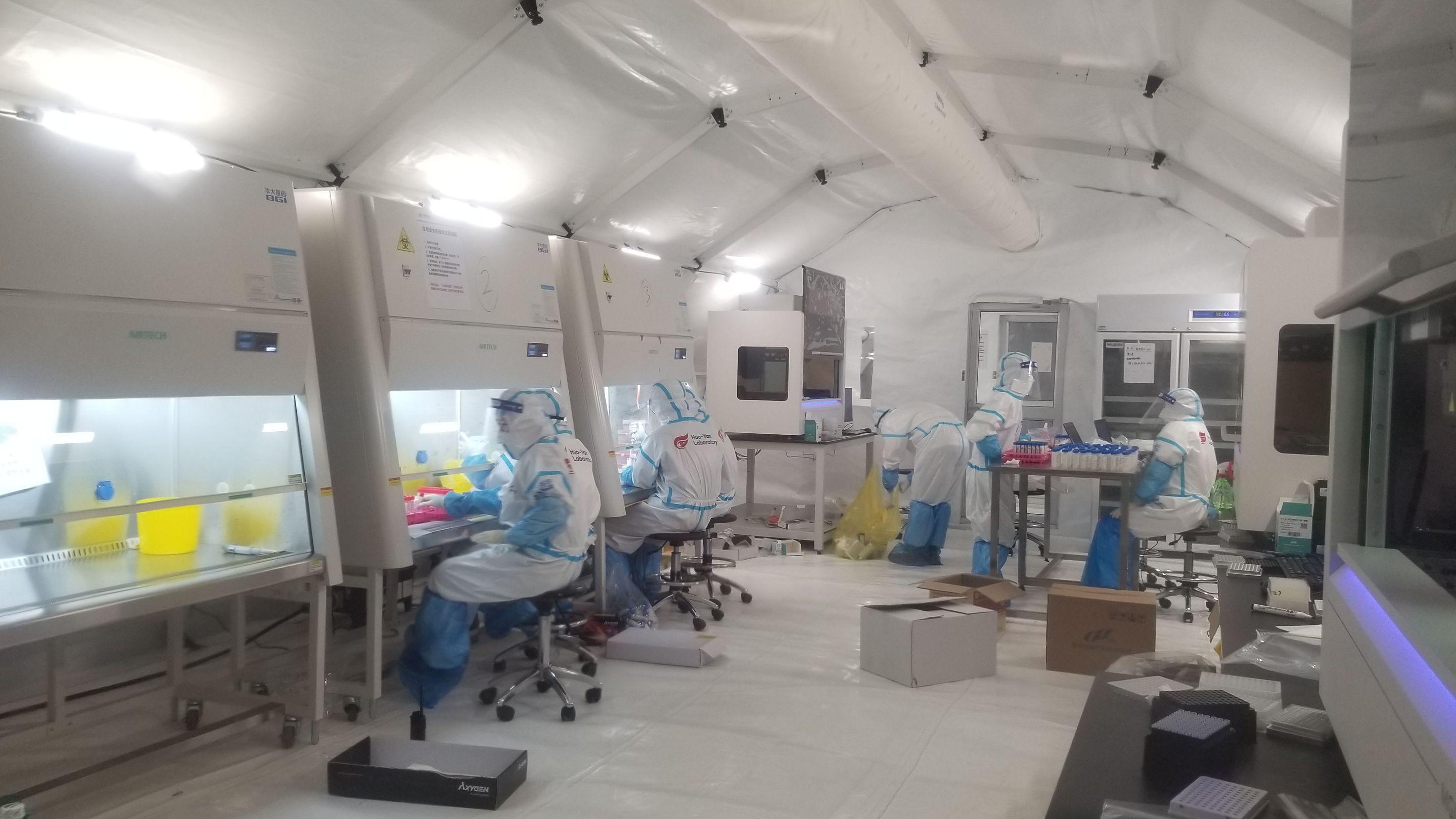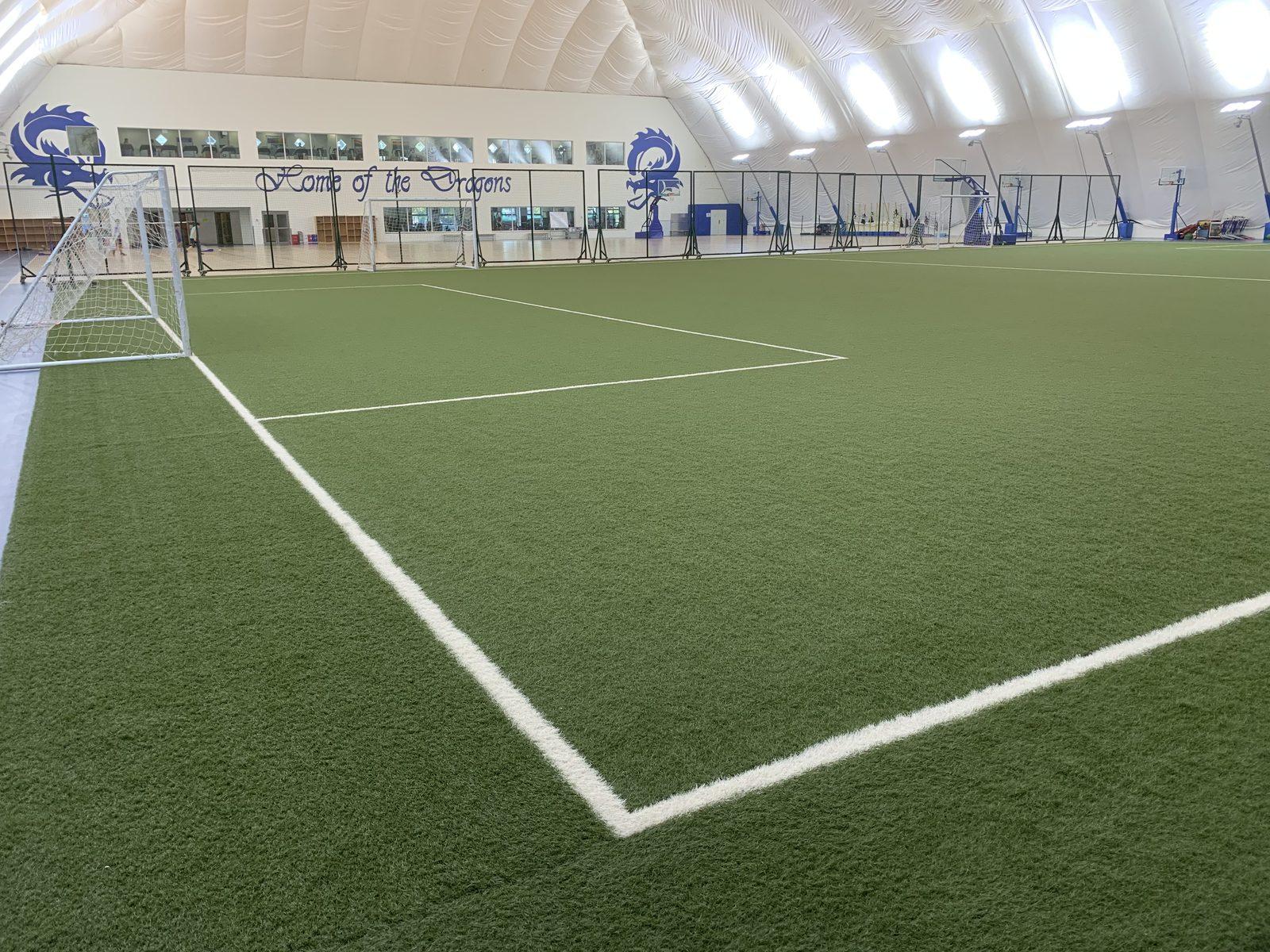
Soccer & Turf Fields
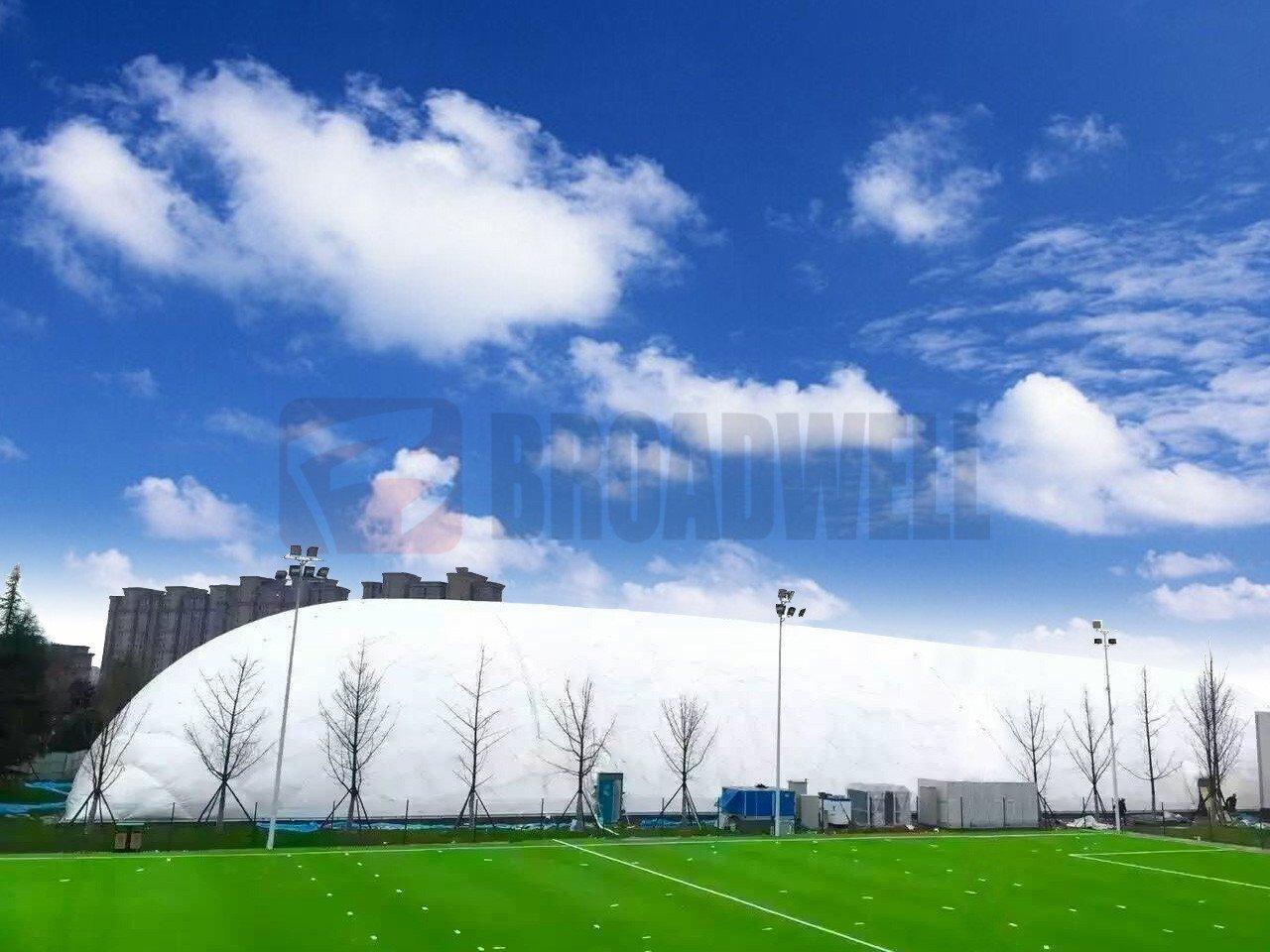
Full-size fields, youth and 7v7 soccer, football and training turf, playable in any season.

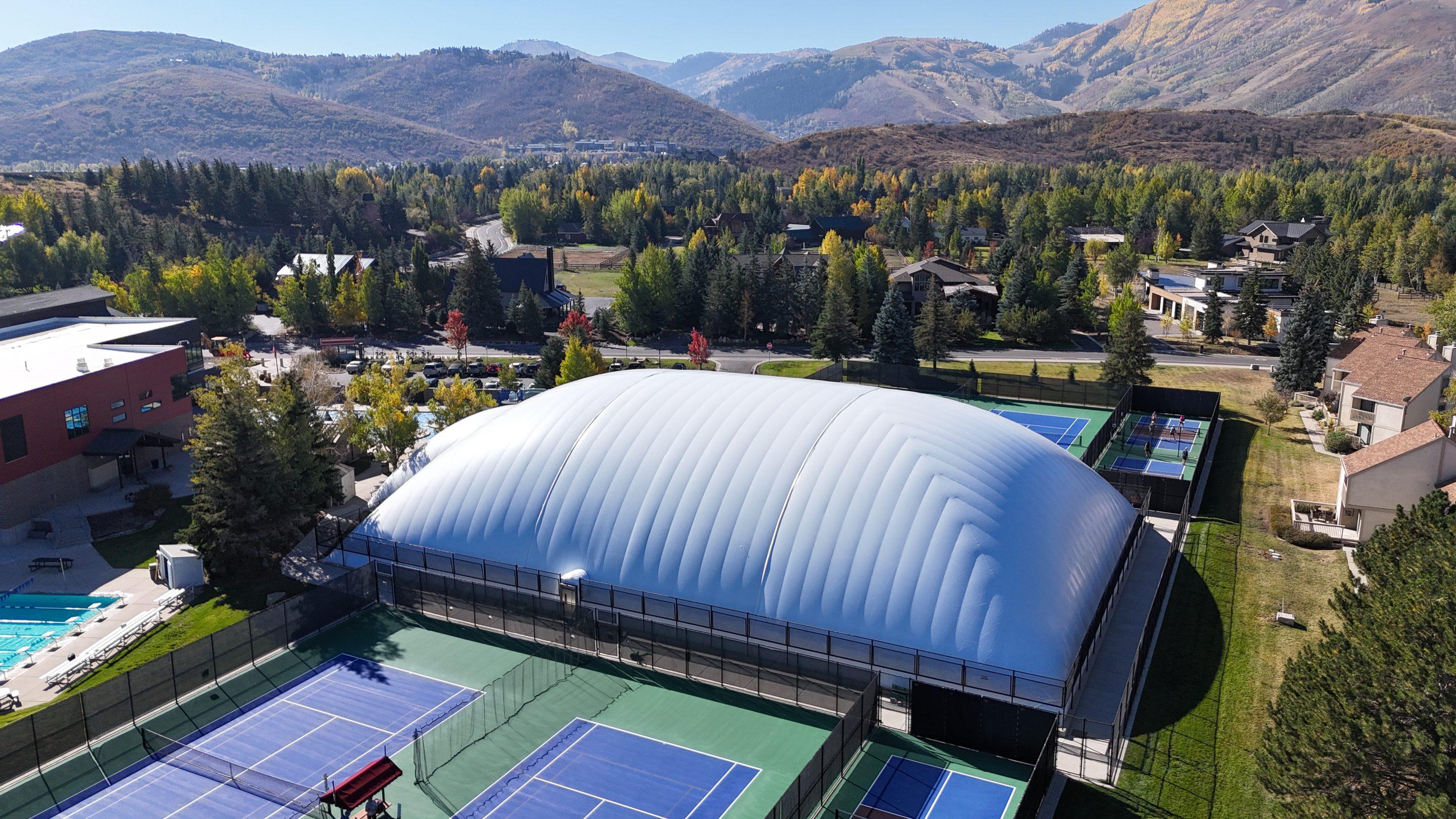
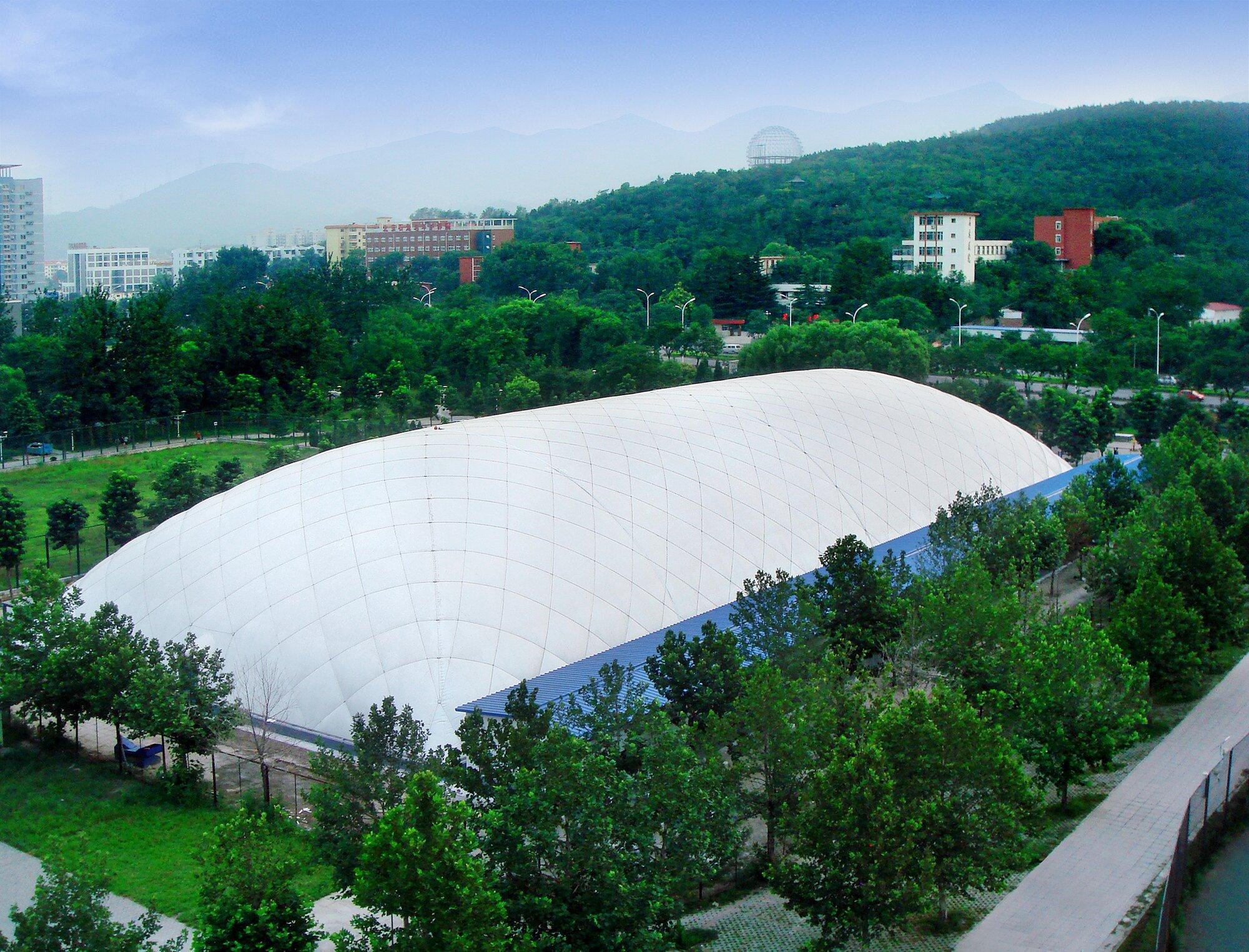
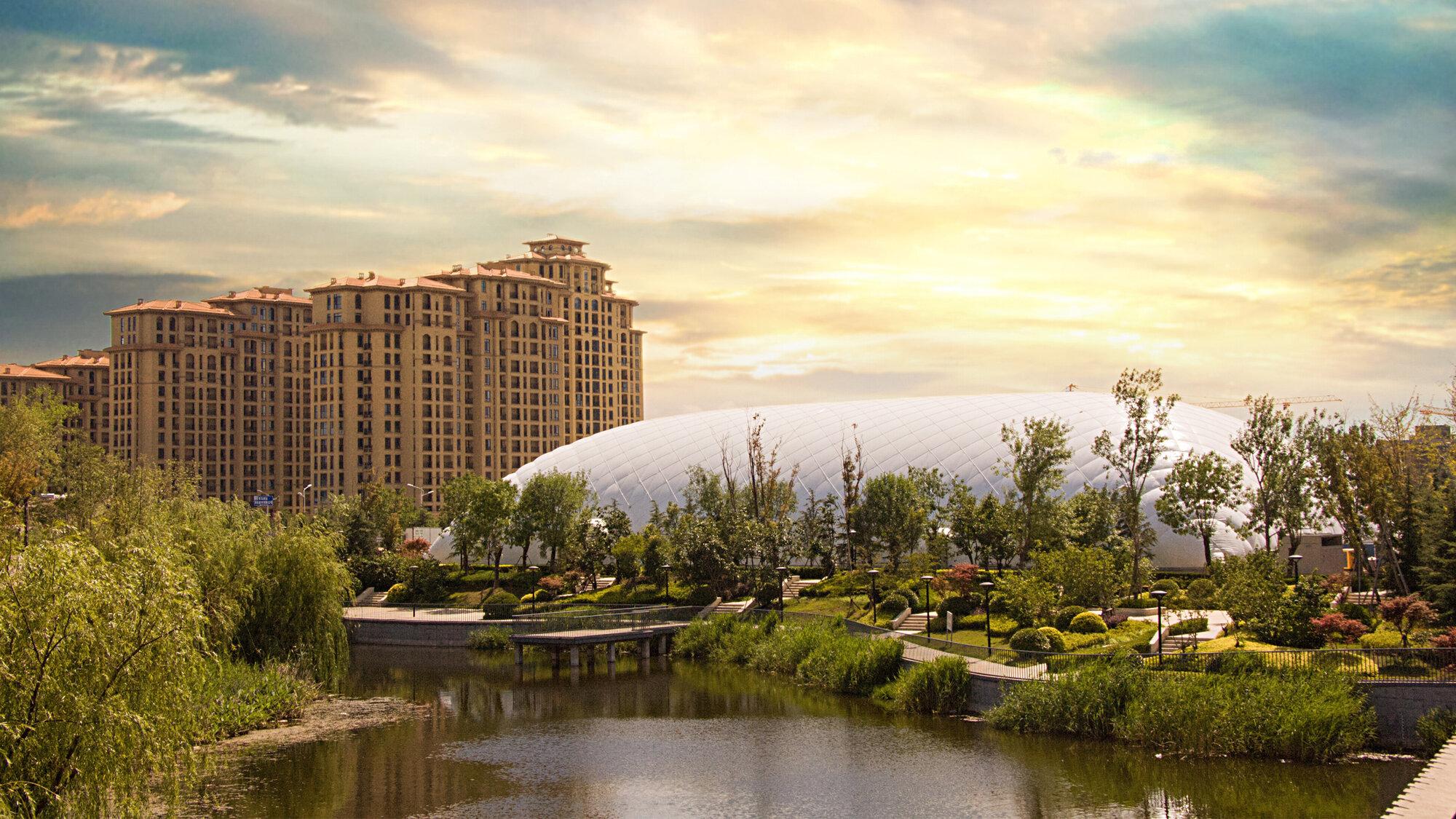
Create year-round, climate-controlled sports environments for soccer, tennis, pickleball, and more, without permanent construction or long build timelines.
Air dome structures are designed to support a variety of athletic and recreational uses, giving facility operators the flexibility to maximize space, extend seasons, and increase revenue potential.
Full-size fields, youth and 7v7 soccer, football and training turf, playable in any season.
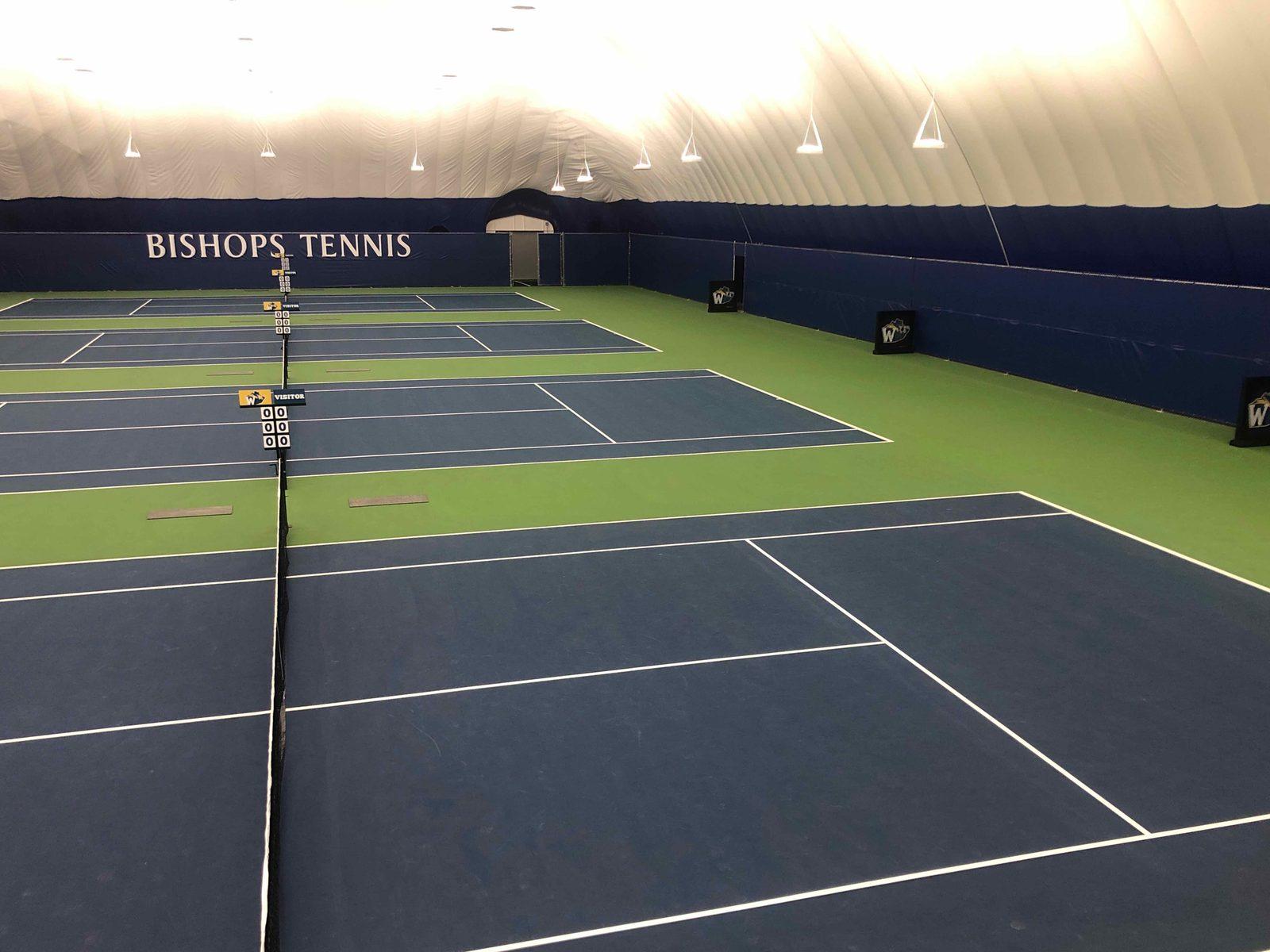
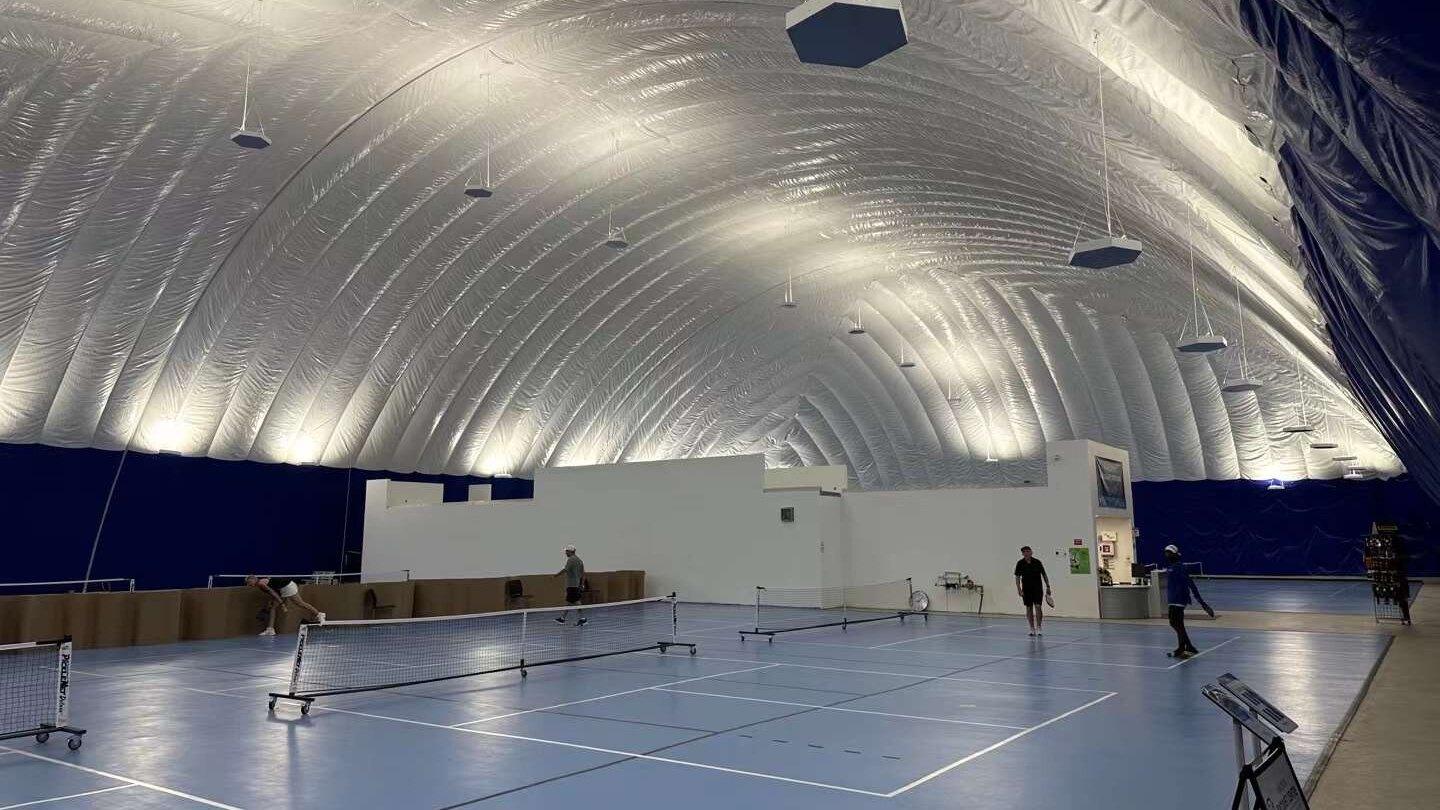
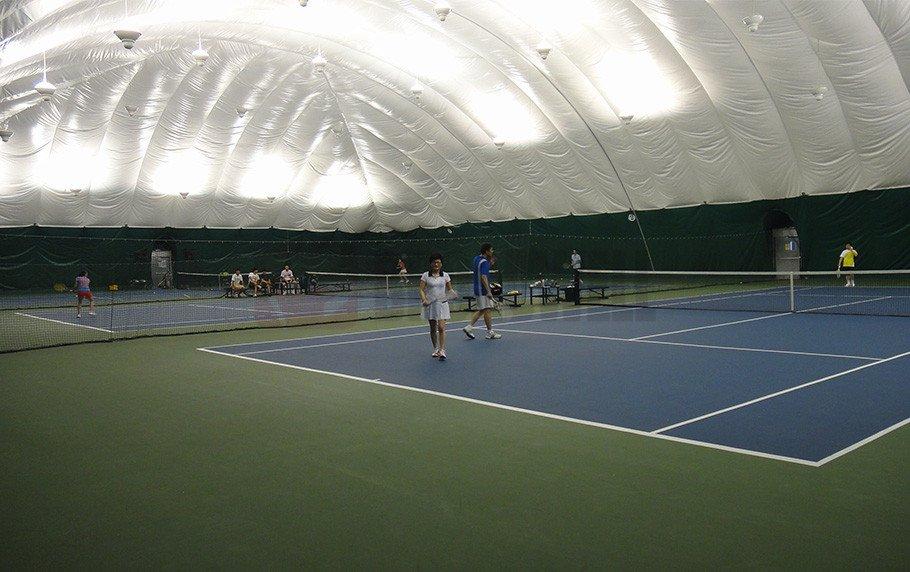
Multi-court tennis bubbles for clubs, colleges and communities, open through the winter.
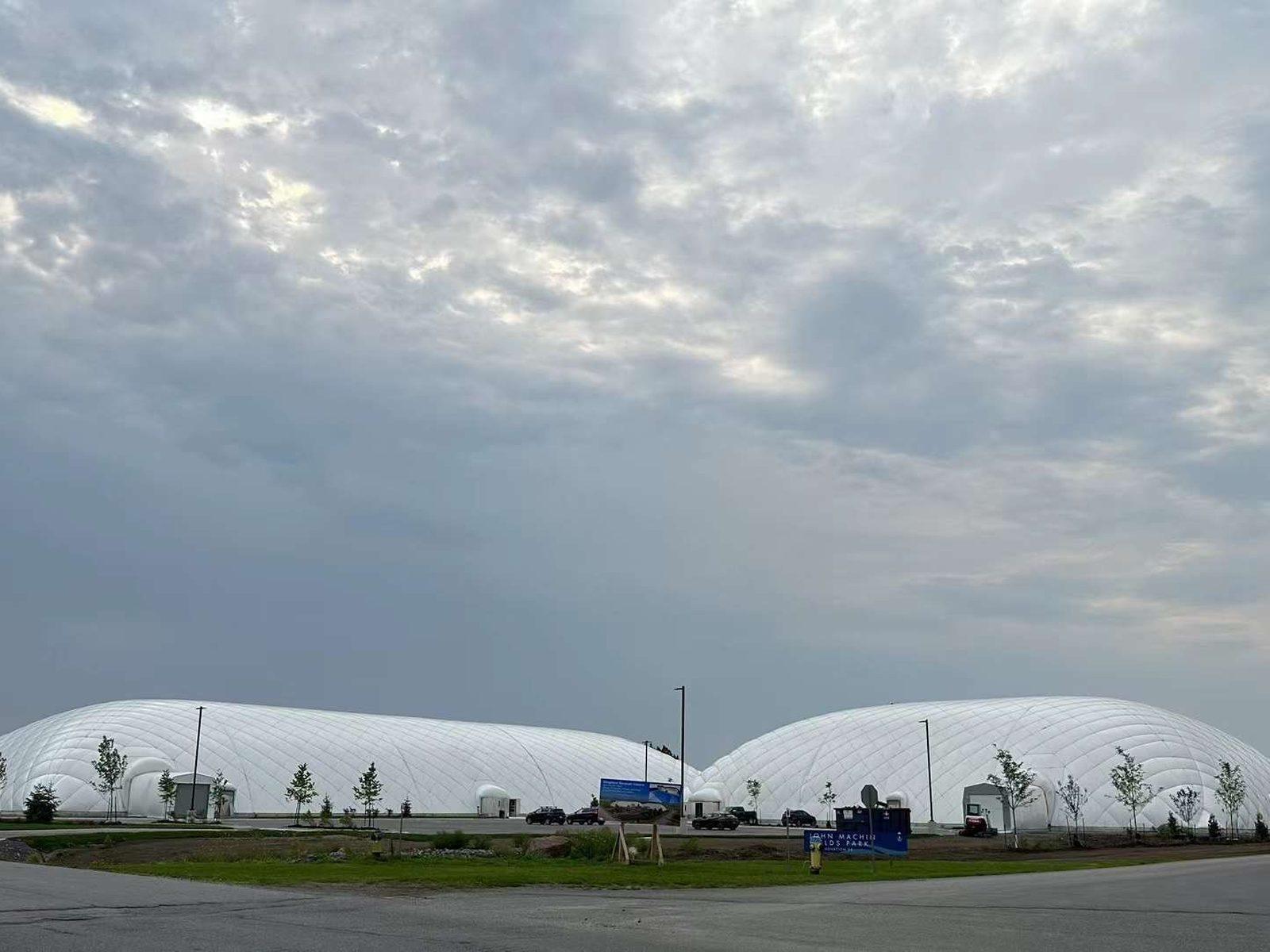
Climate-controlled courts that keep play going year-round and keep the noise inside.
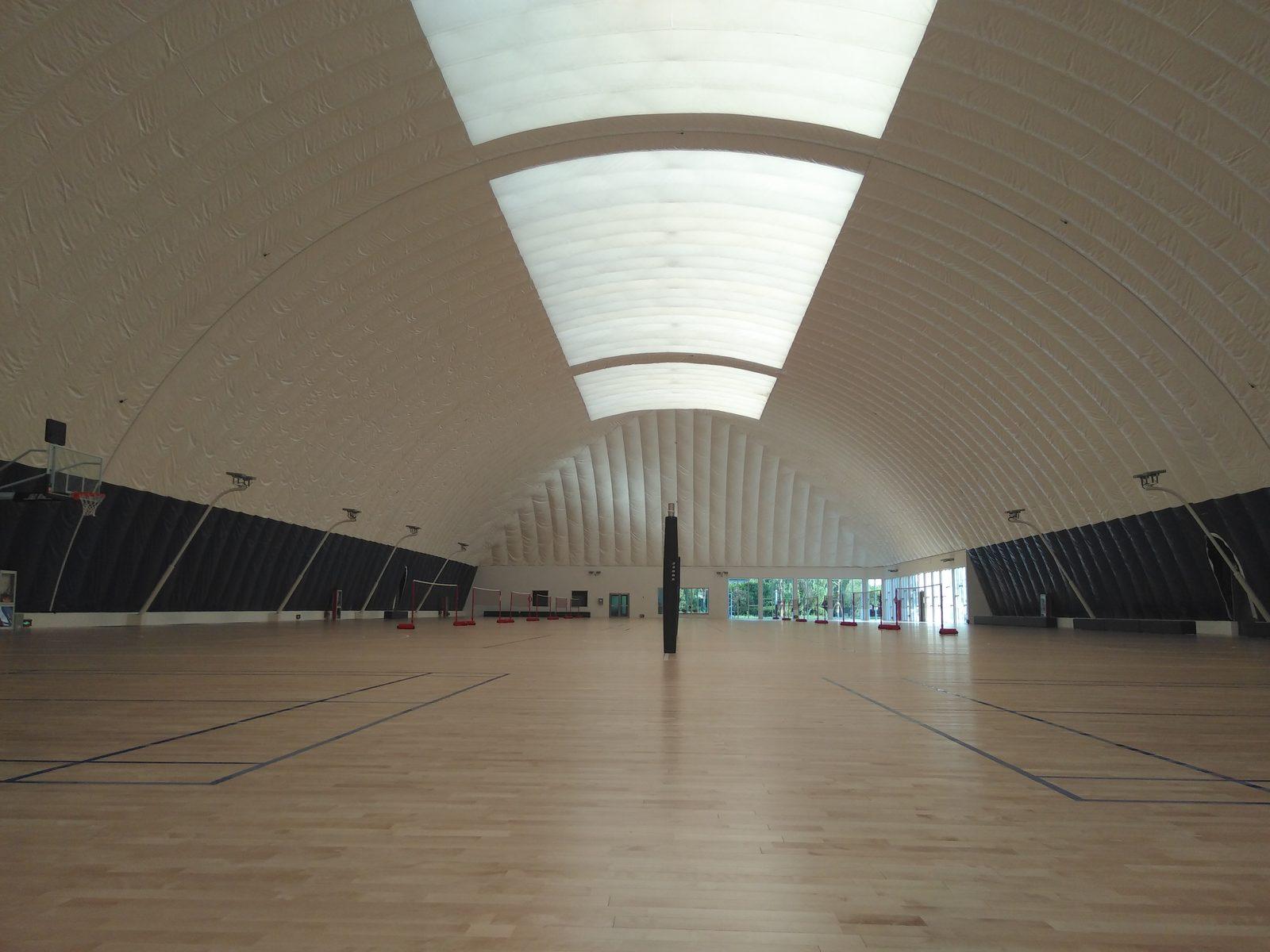
Hardwood and sport-court floors for leagues, schools and tournaments.
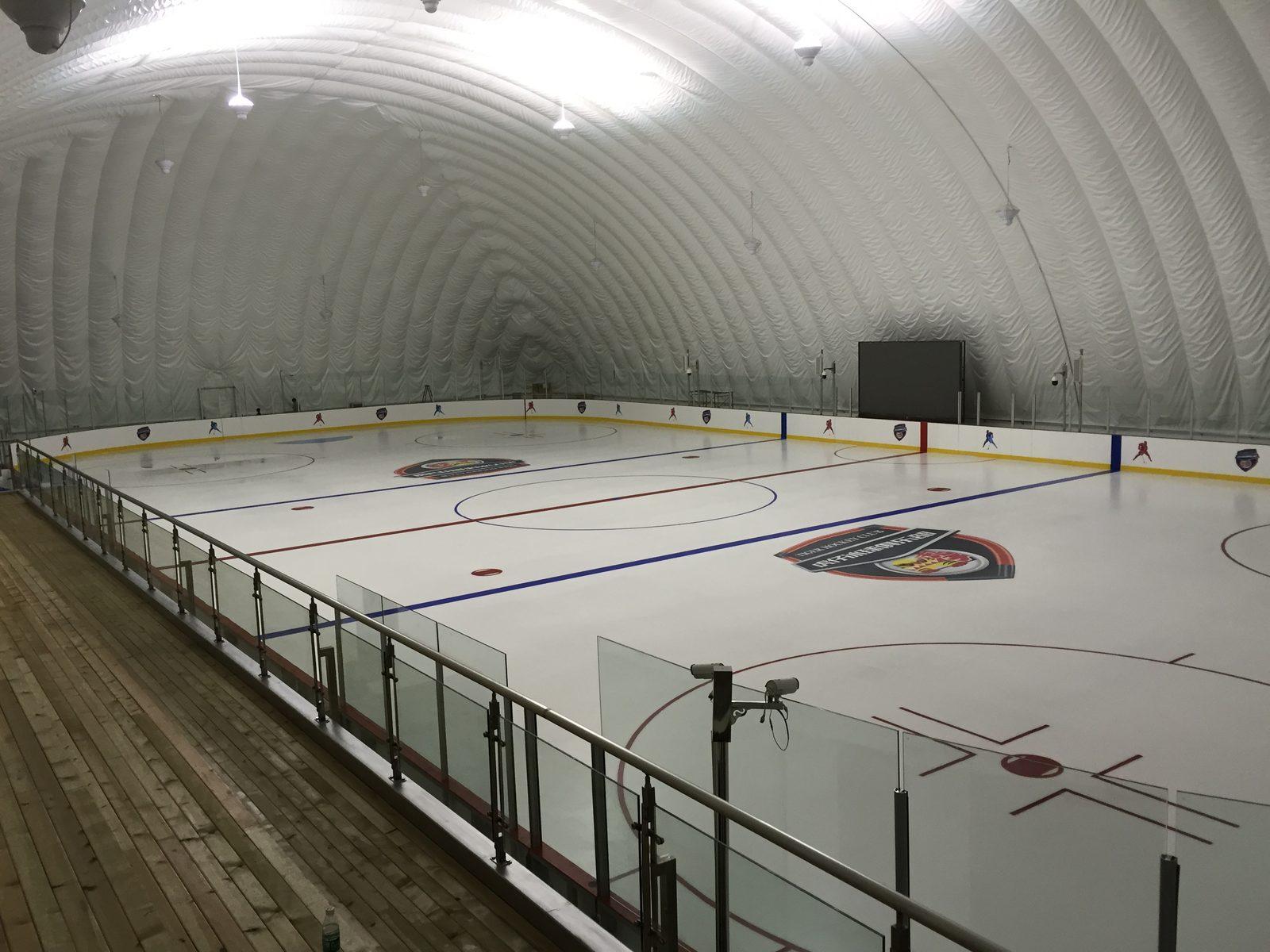
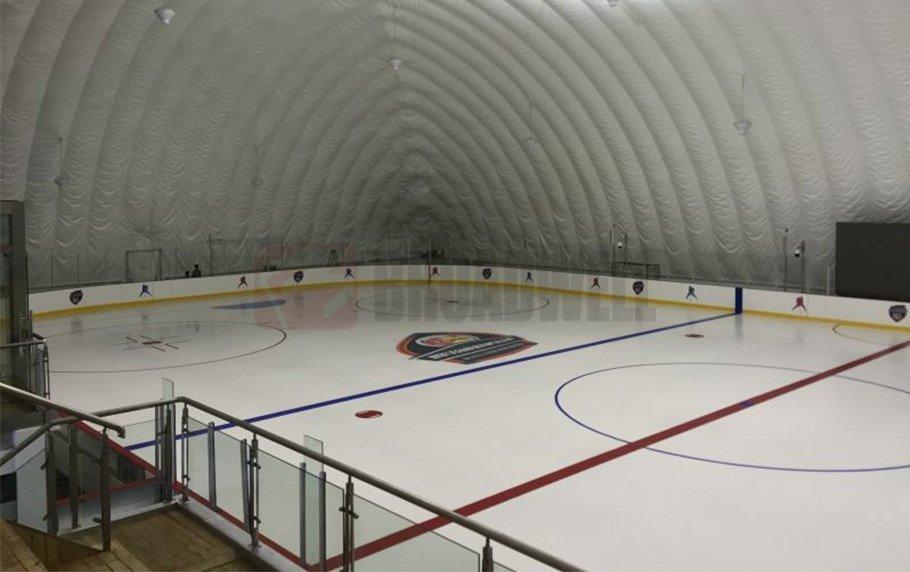
Column-free cover for rinks and skating programs.
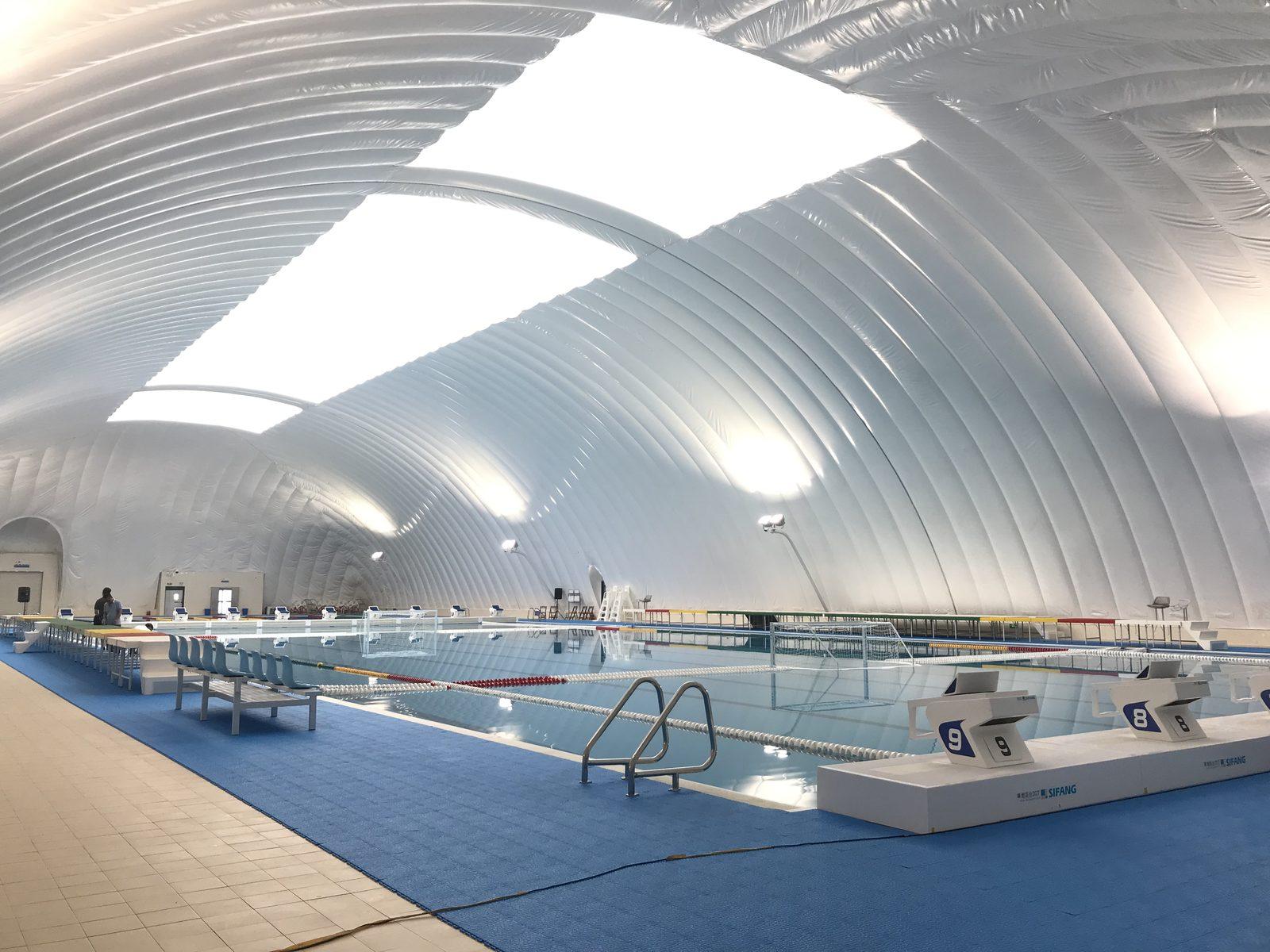
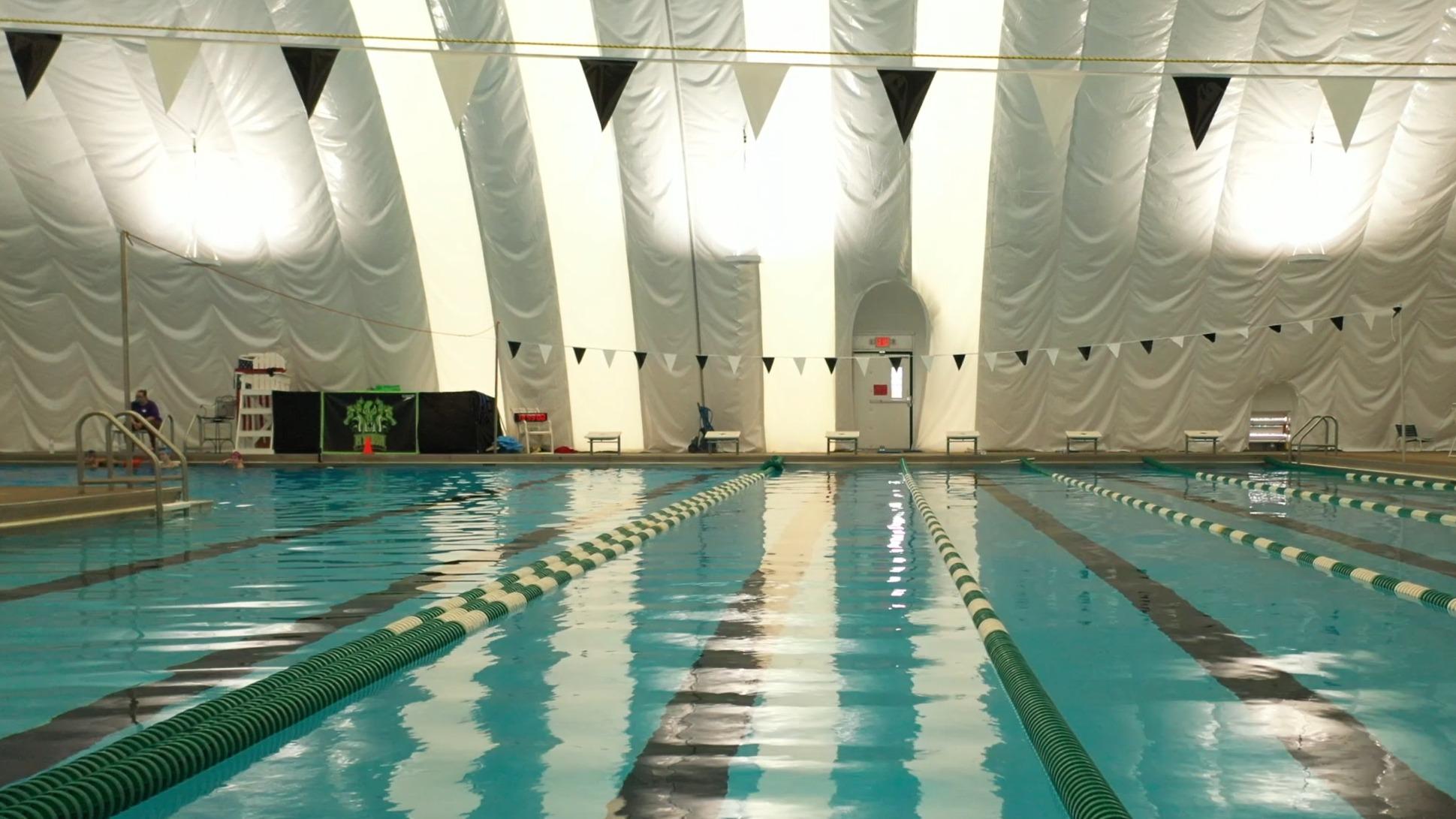
Pools, playgrounds and family recreation under one clear span.
Air-supported structures offer a faster, more flexible alternative to conventional buildings, without sacrificing performance or durability.
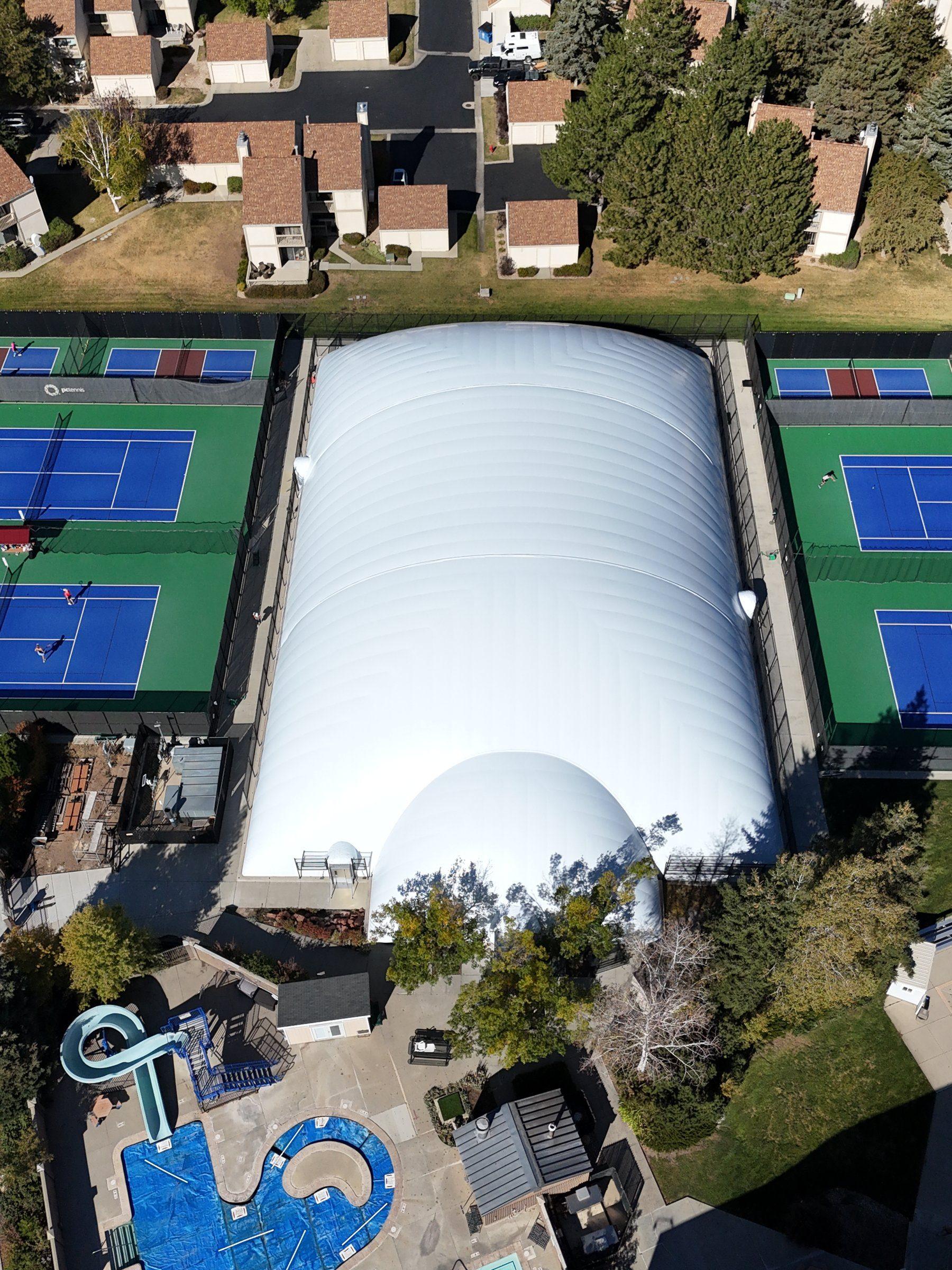
Install in months, not years.
Reduce capital costs compared to permanent structures.
Install and remove based on operational needs.
Modern systems are designed for optimized performance and cost control.
Engineered to withstand demanding environmental conditions.
A sports dome is one of the lowest-cost ways to cover courts or turf. Size, design loads and options set the final price, and a complete project also includes engineering, foundation and site work, and installation.
Size and shape
Width drives membrane and cable weight; length is cheaper to add.
Snow and wind loads
Higher code loads mean more cable, stronger fabric and bigger anchorage.
Climate and set points
Insulation and heating/cooling capacity follow your climate and target temperatures.
Doors and access
Revolving doors and vehicle airlocks add cost but save energy and time.
Light levels
Competition play needs more foot-candles than recreation.
Site and soils
Poor soils, slopes, rock or tight access raise foundation and installation costs.
Build cost per square foot, 2026 (USD)
Air dome (courts or turf, all-in)
$15–$60
Metal building (PEMB) shell
$80–$160
Fieldhouse (full fit-out)
$150–$250
Source: Terrapin Construction Group, Indoor Sports & Recreation Facility Construction Cost per Square Foot (2026). Budgetary planning ranges.
Start with your program: the courts, fields or pool you want to fit. Then add room for circulation, doors and the curved walls. Broadwell engineering sets the final dimensions; these planning figures help you frame a budget.
| Program | Playing area | Plan for | Notes |
|---|---|---|---|
| Tennis | 36 × 78 ft (doubles) | 60 × 120 ft per court · 7,200 sq ft | Common industry planning area per court |
| Pickleball | 20 × 44 ft | 30 × 60 ft per court · 1,800 sq ft | Up to 4 courts fit in one tennis-court bay |
| Basketball | 94 × 50 ft | ≈ 114 × 70 ft with 10 ft run-off | High-school courts are 84 × 50 ft |
| Volleyball | 59 × 29.5 ft (18 × 9 m) | ≈ 79 × 49 ft with 3 m free zone | Competition play needs more height and run-off |
| Soccer, full size | Standard 344 × 223 ft (105 × 68 m) | Dome ≈ 400 × 250 ft | Smaller youth and 7v7 fields are common in domes |
| Football field | 360 × 160 ft incl. end zones | Dome ≈ 400 × 220 ft | Add sideline space for teams |
| Pool, 25 yd / 8 lanes | 75 × 60 ft of water | Add 10–20 ft of deck on each side | Humidity control is part of the mechanical design |
Planning dimensions by program
Tennis
Pickleball
Basketball
Volleyball
Soccer, full size
Football field
Pool, 25 yd / 8 lanes
Illustrative planning layouts. Final dome dimensions are set by Broadwell engineering for your program, clearances, doors and mechanical layout.
Height
Domes are tallest at the center. For example, the NC Wesleyan tennis dome stands about 52 ft at the crown.
Clearances
Keep interior objects at least 5 ft from the fabric (8 ft without a cable harness).
Don't forget
Entry and lobby, restrooms, storage, the mechanical yard, parking and fire-lane access.
Air-supported structures use a pressurized membrane system combined with engineered anchoring and climate control to create a safe, stable, and comfortable indoor environment.
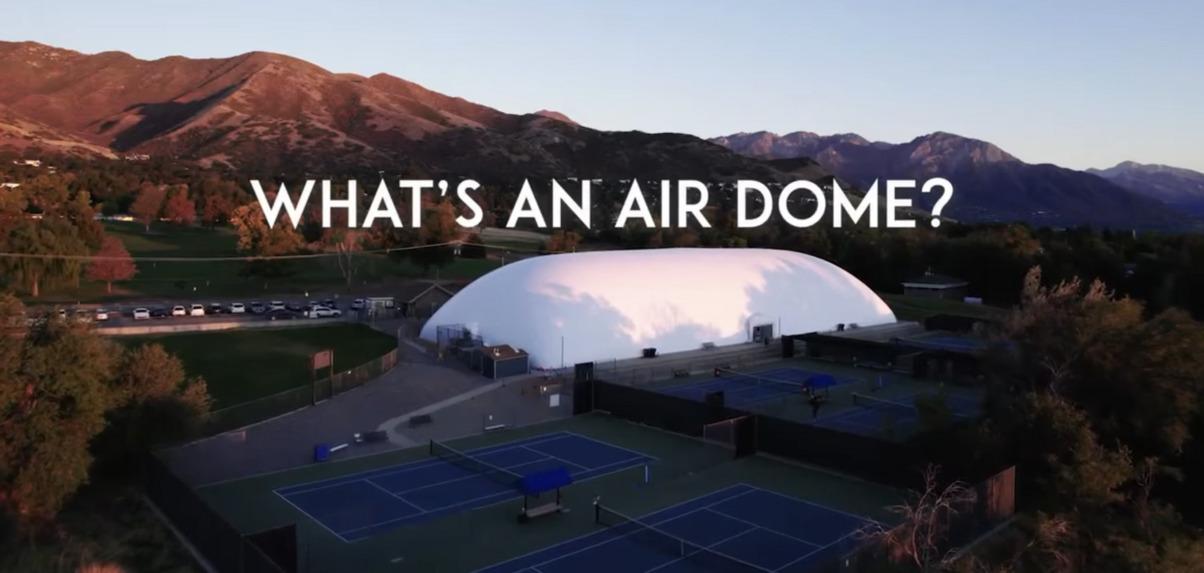
To fully understand how these systems come together, explore the key components below:
Whether you're exploring options or actively planning a project, our team can help you understand what's possible and what to expect.
Get Guidance on Your ProjectFrom college tennis programs to community racquet clubs, Broadwell domes keep play going year-round across the United States and Canada.
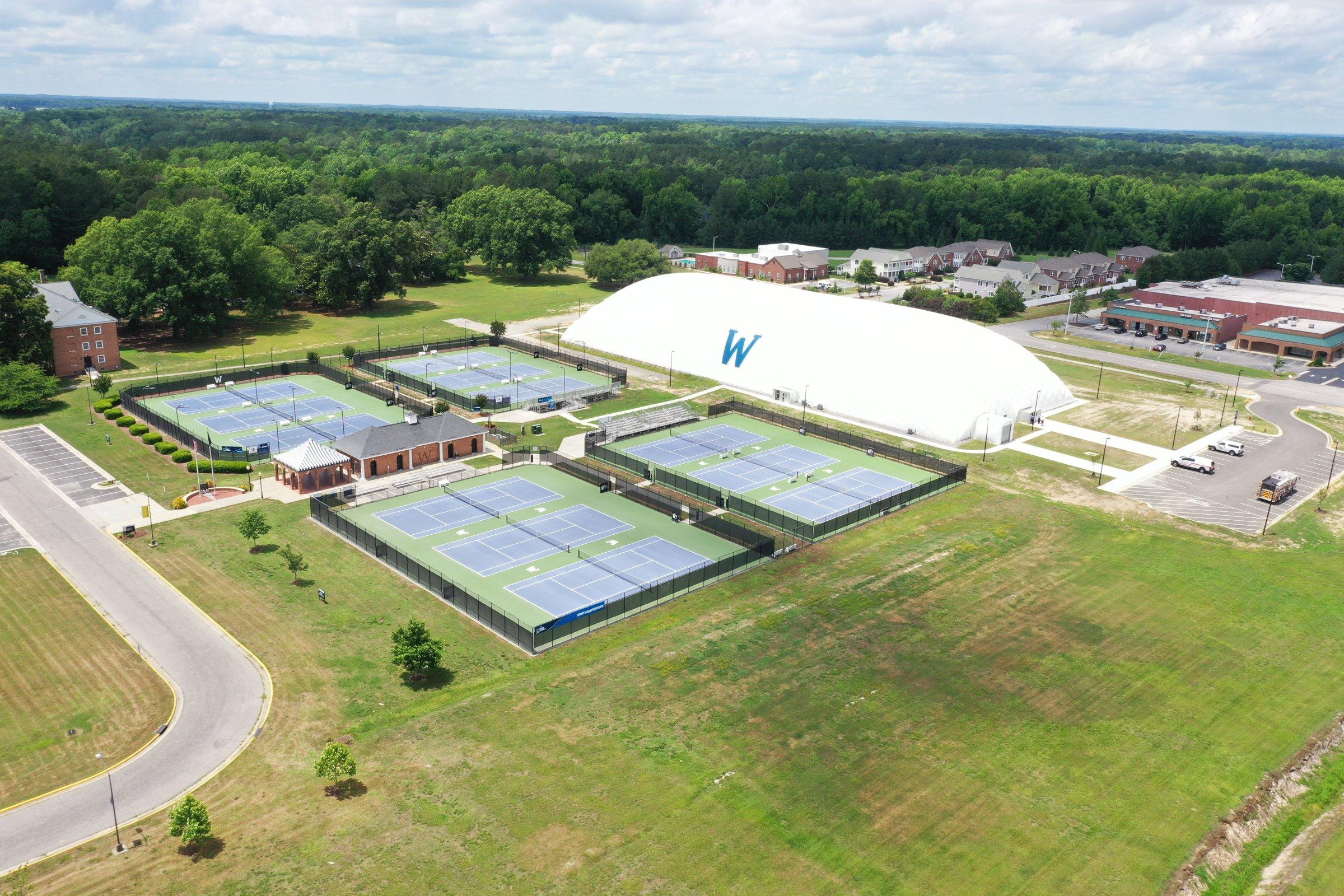
Rocky Mount, North Carolina · College tennis
A 48,600 sq ft college tennis and multi-sport dome delivered on a tight academic calendar.
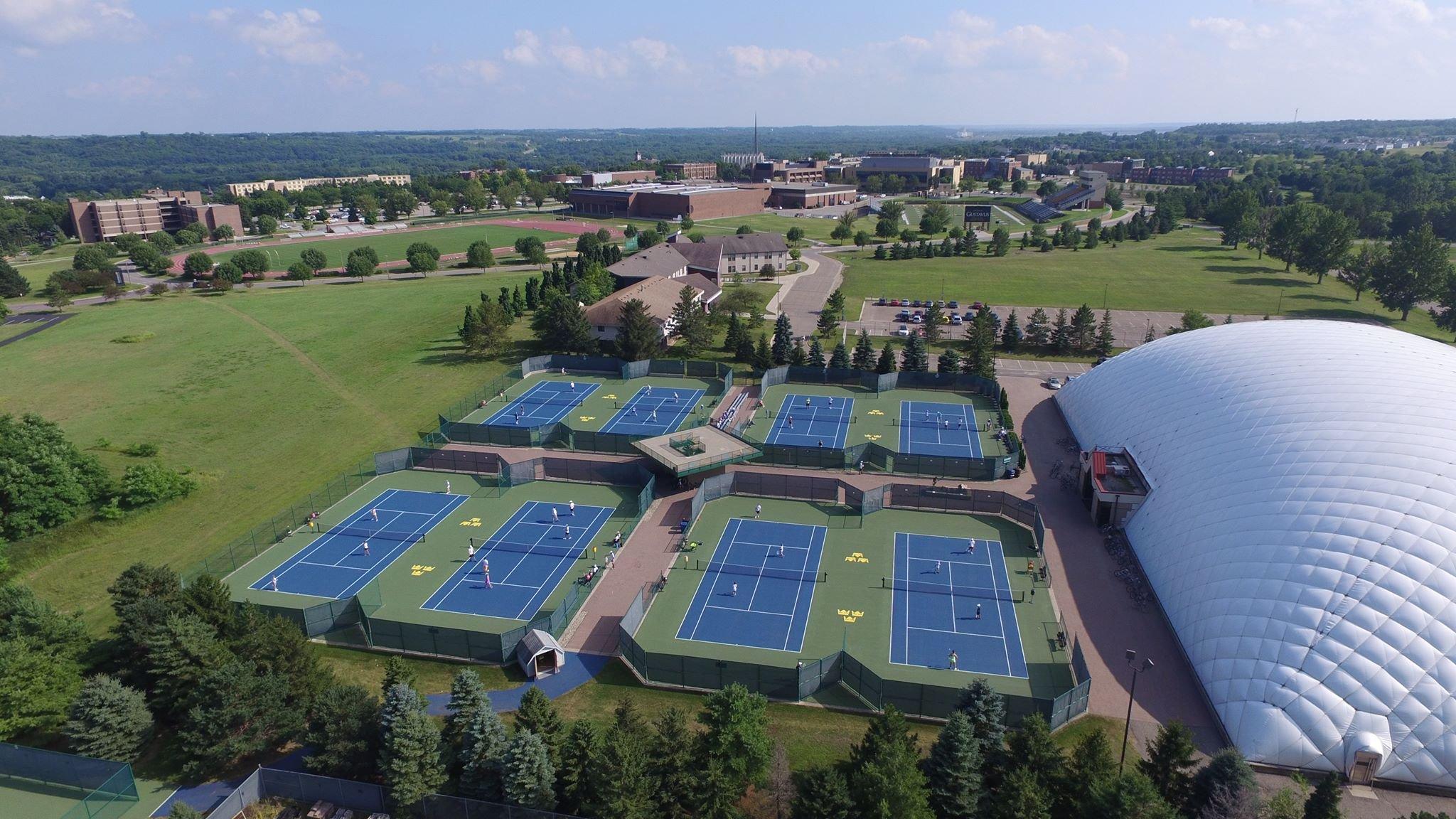
St. Peter, Minnesota · College tennis
A competition tennis venue built for Minnesota winters, with movable spectator stands.
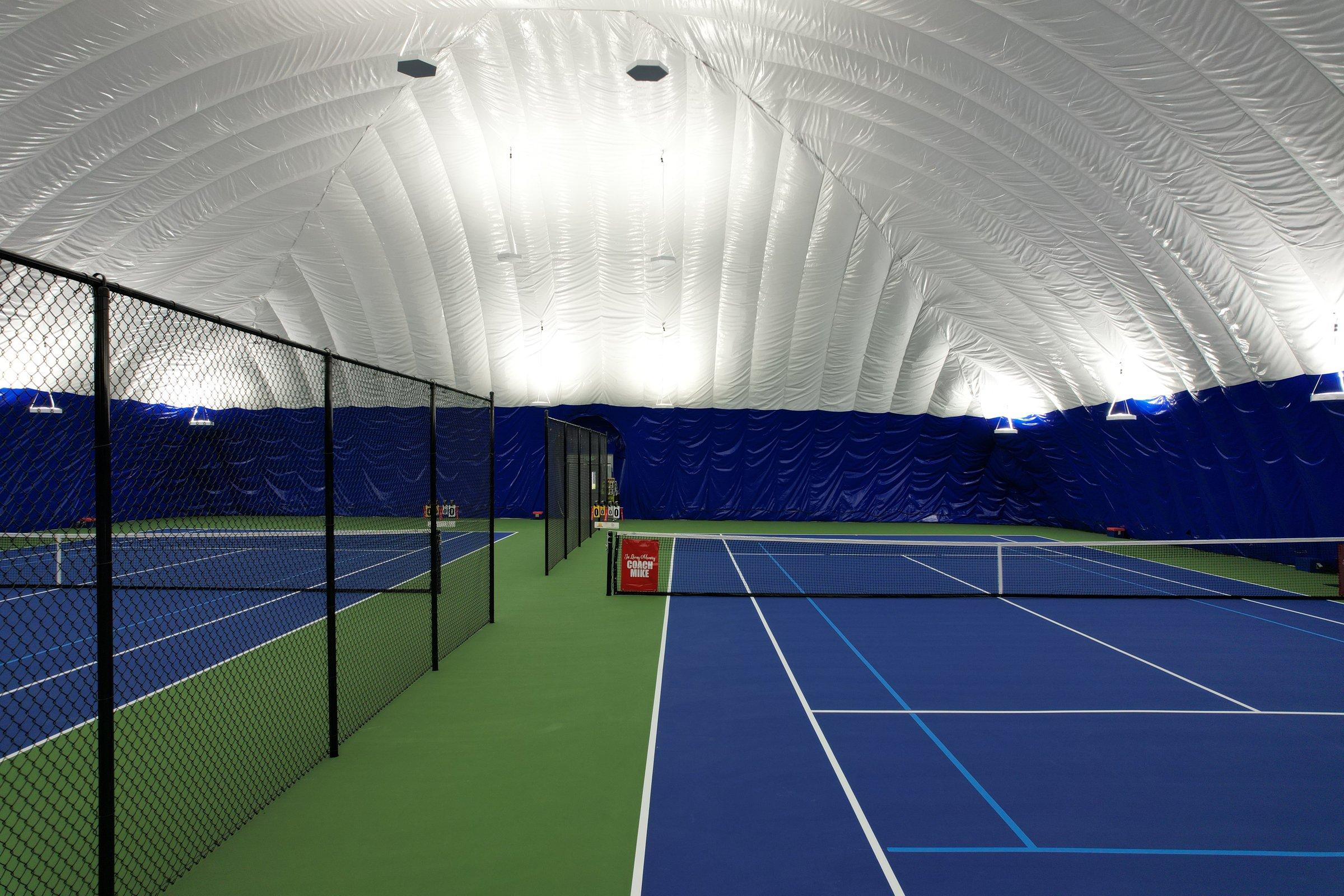
Salt Lake City, Utah · Tennis
Year-round tennis in Broadwell's home city.
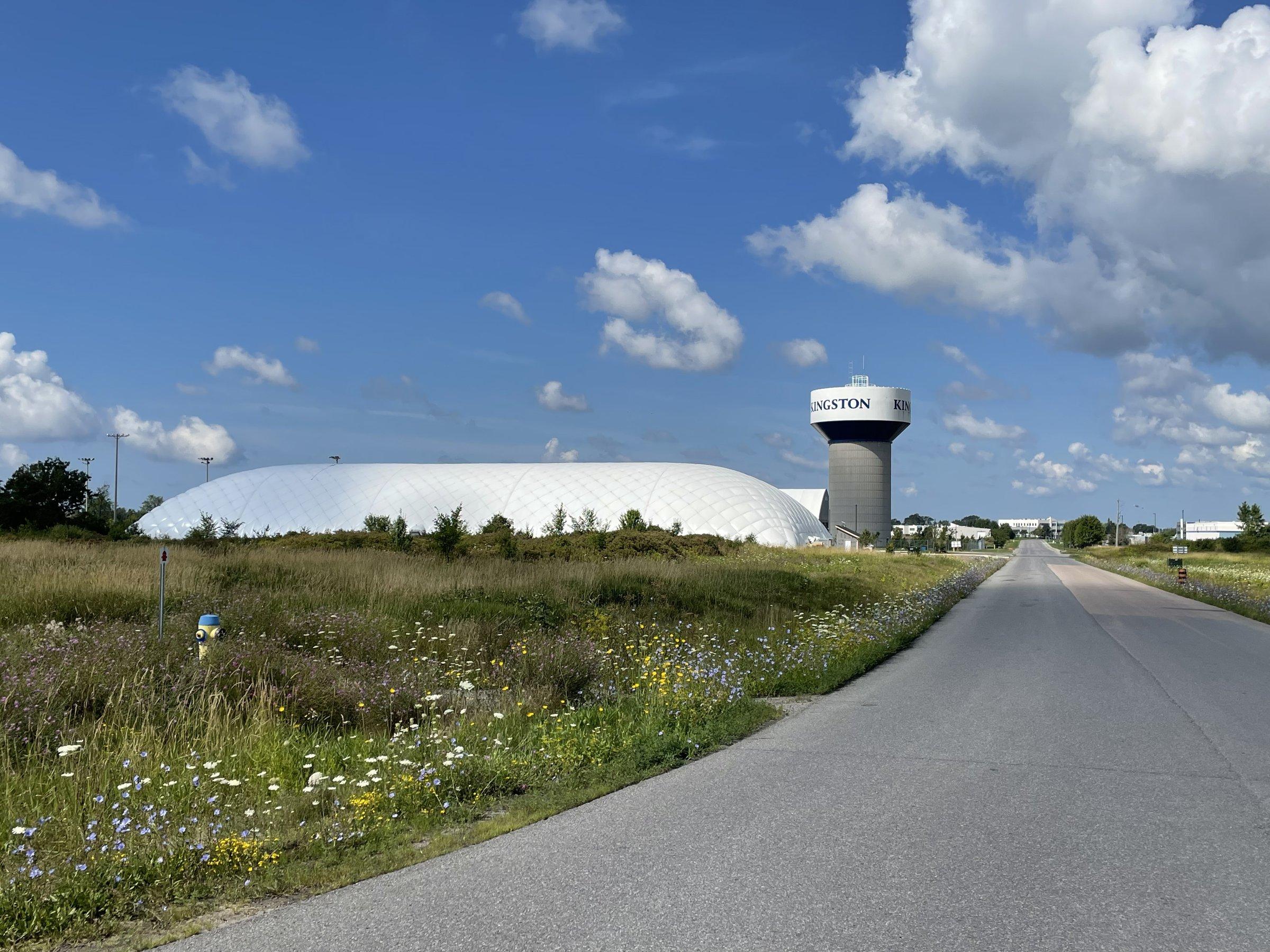
Kingston, Ontario · Tennis and pickleball
Two domes for year-round tennis and pickleball in eastern Ontario.
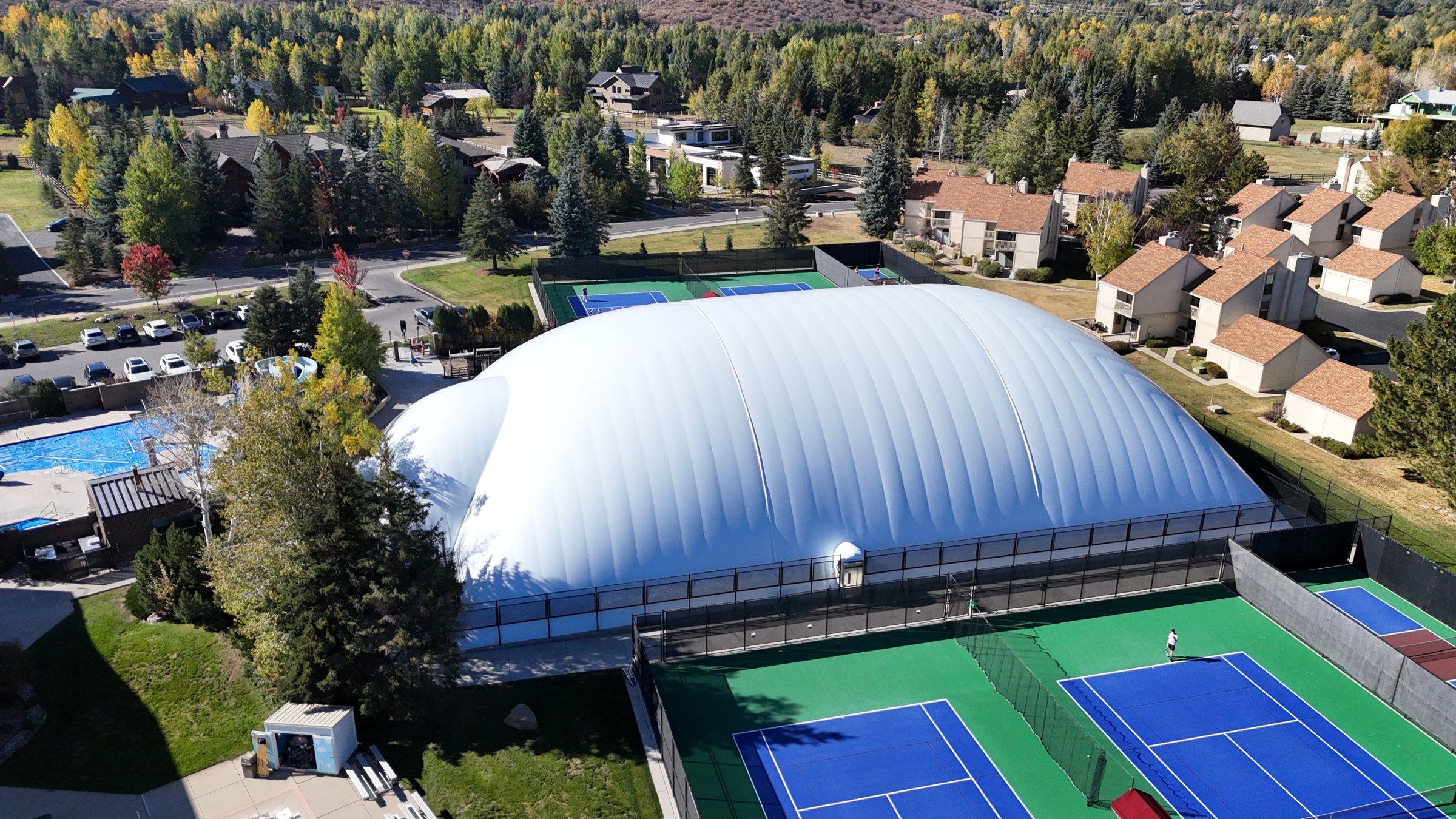
Park City, Utah · Tennis
Indoor tennis in one of the region's busiest racquet communities.
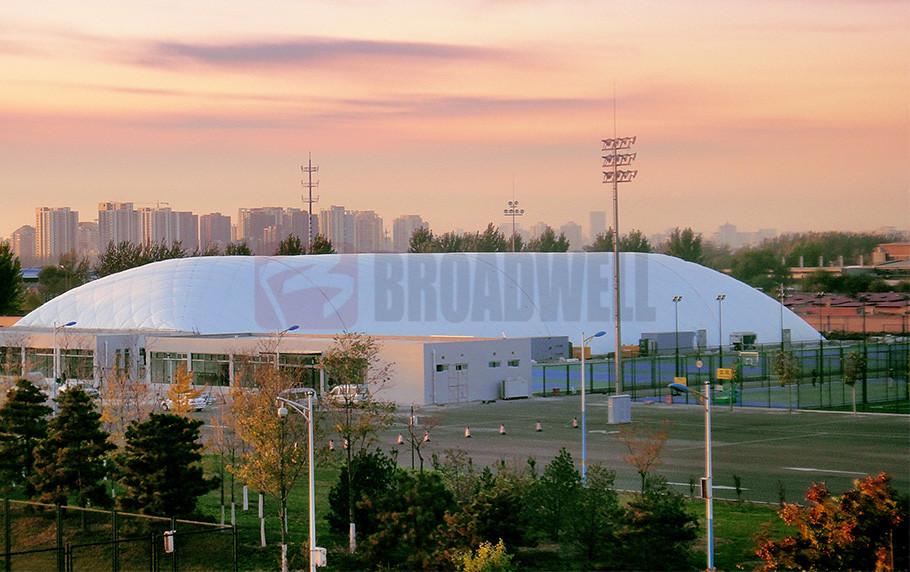
The Broadwell group has delivered more than 2,000 projects in over 40 countries and regions, from ice hockey rinks and school sports halls to playgrounds and golf domes with year-round driving ranges.
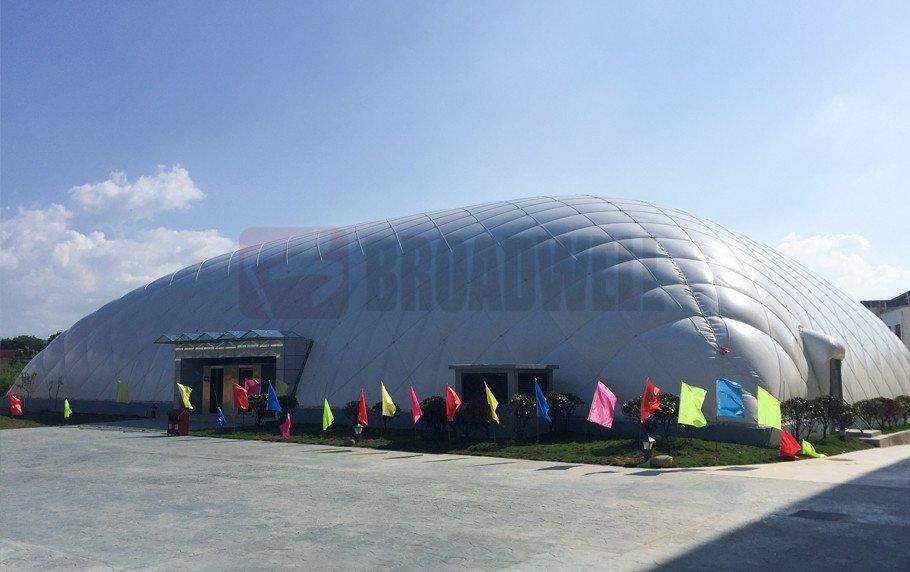
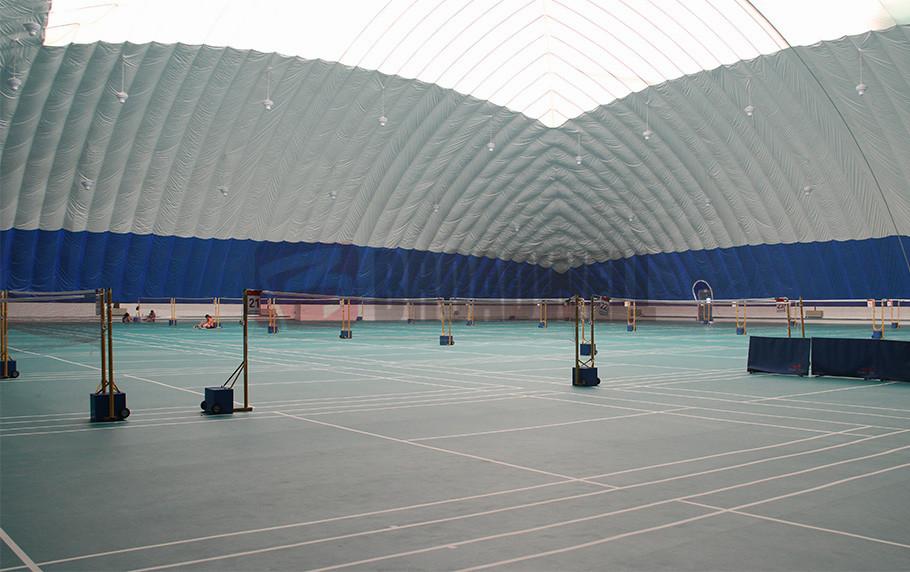
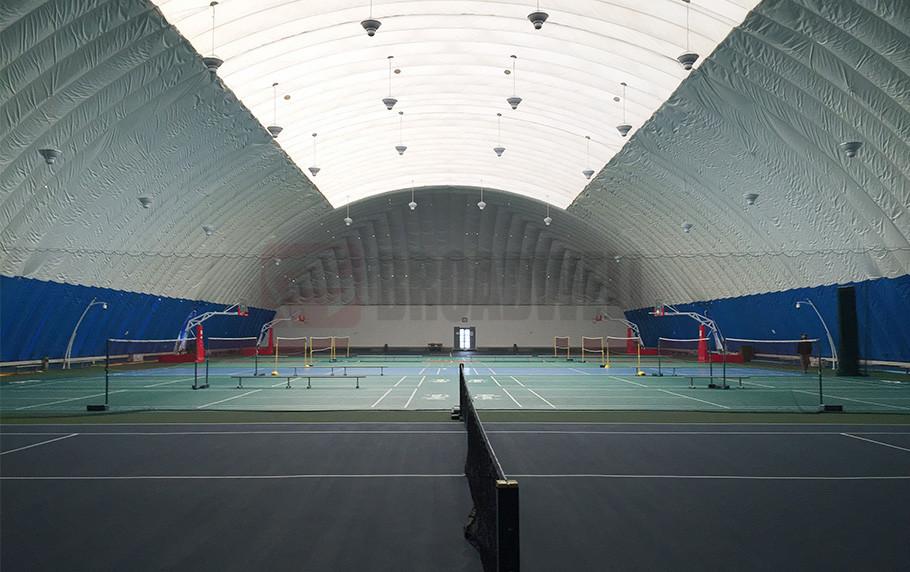
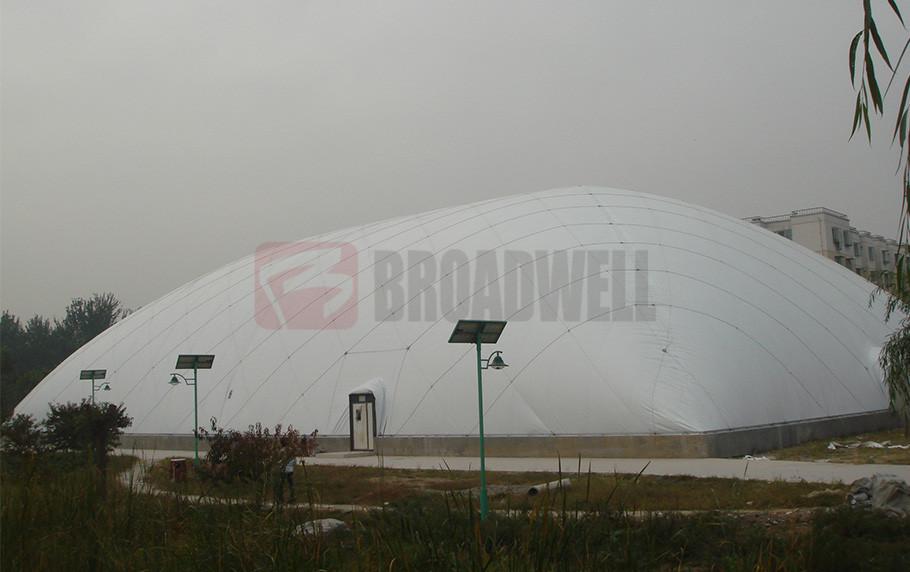
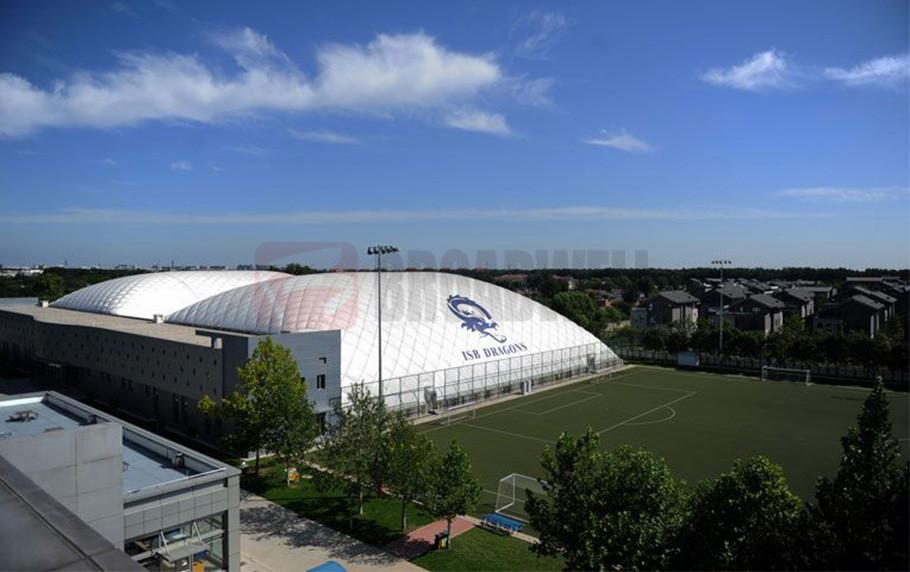
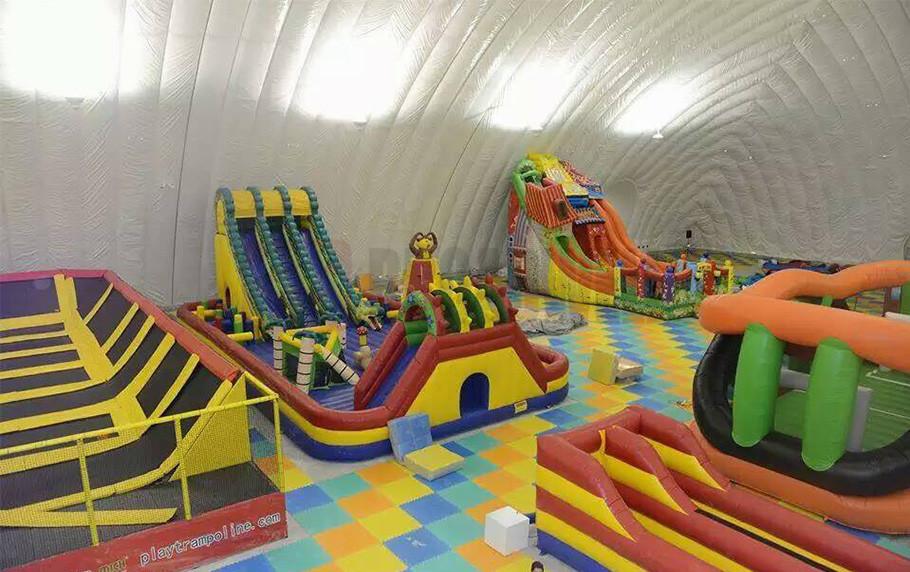
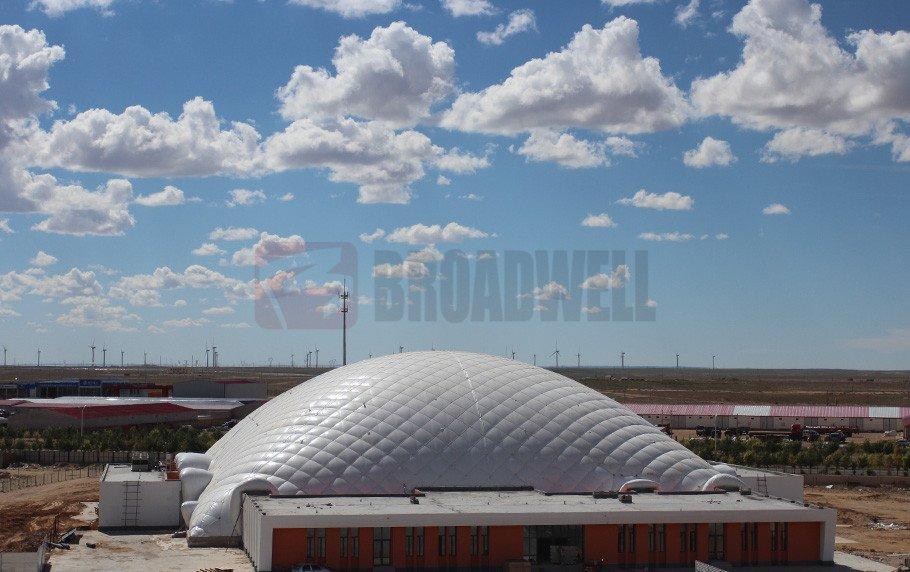
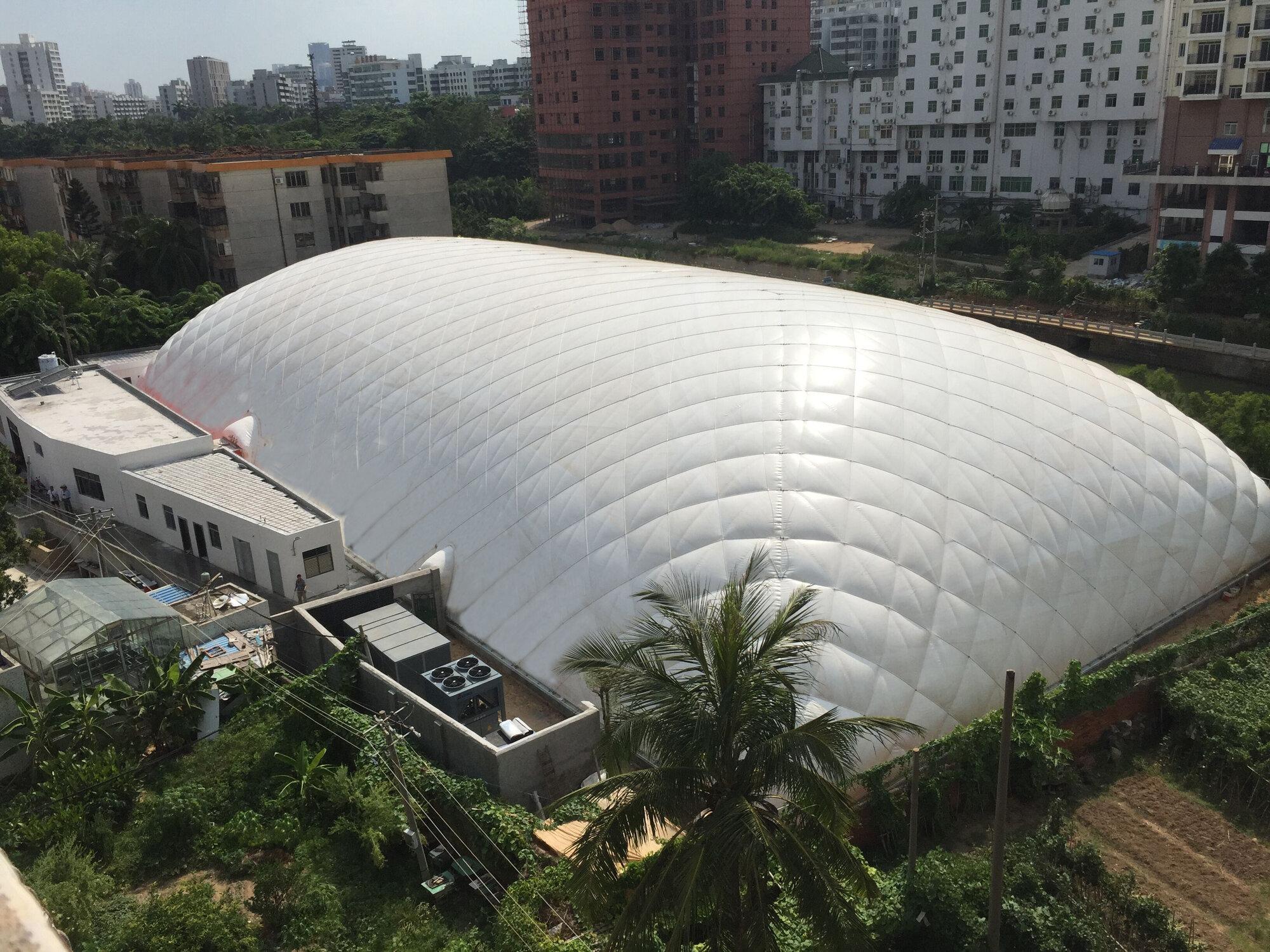
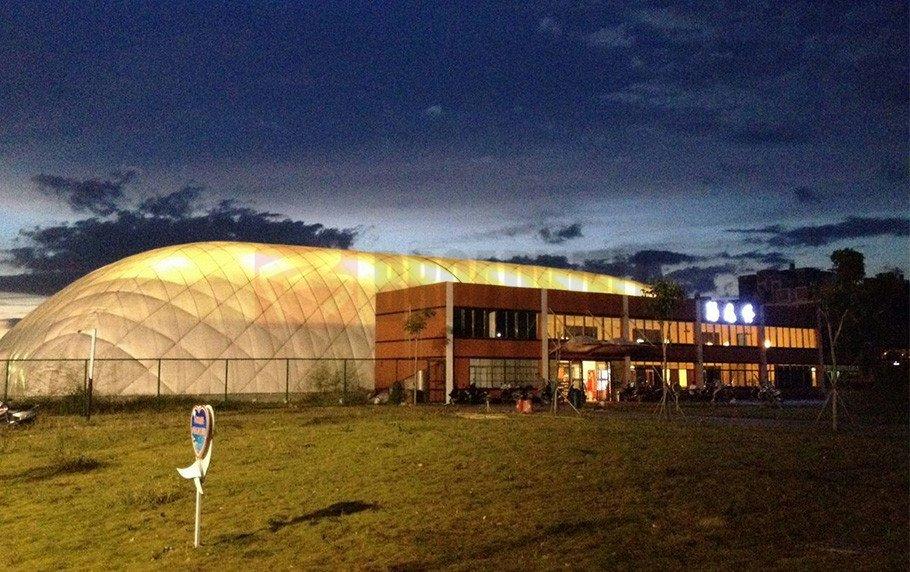
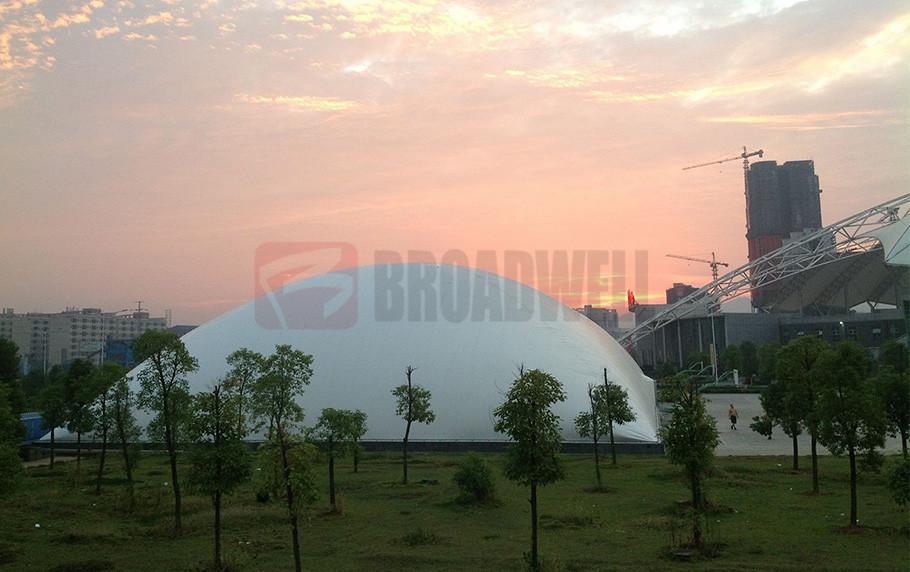
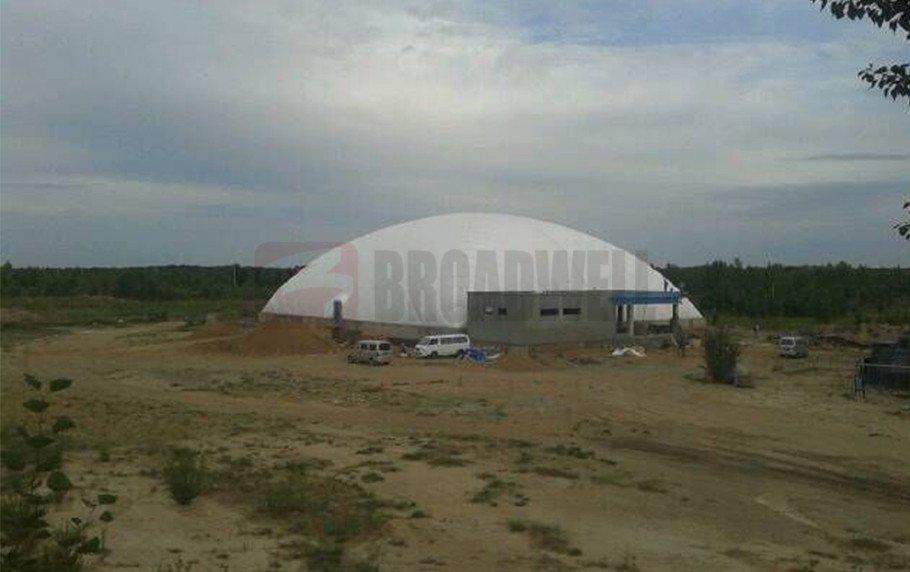
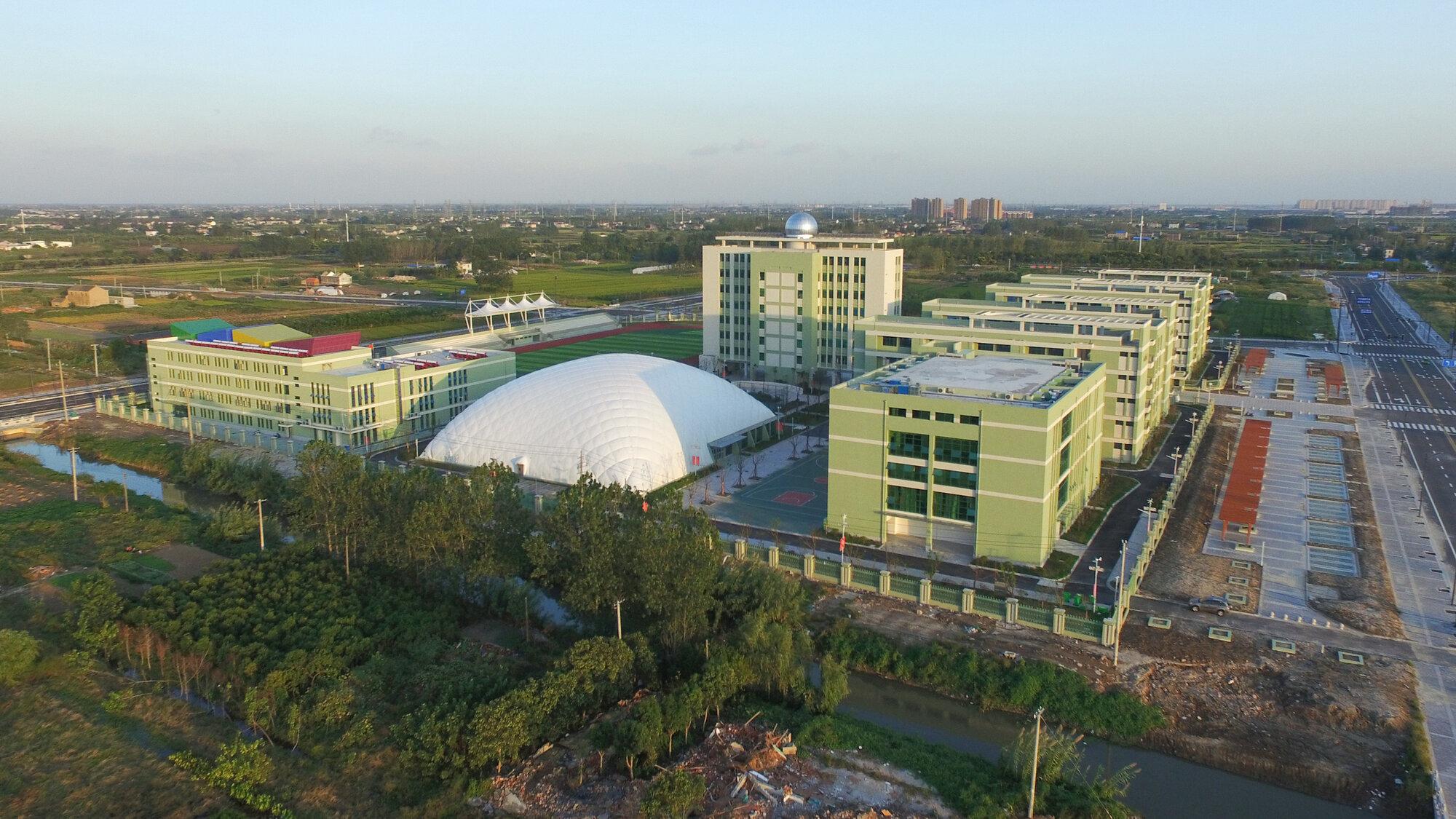
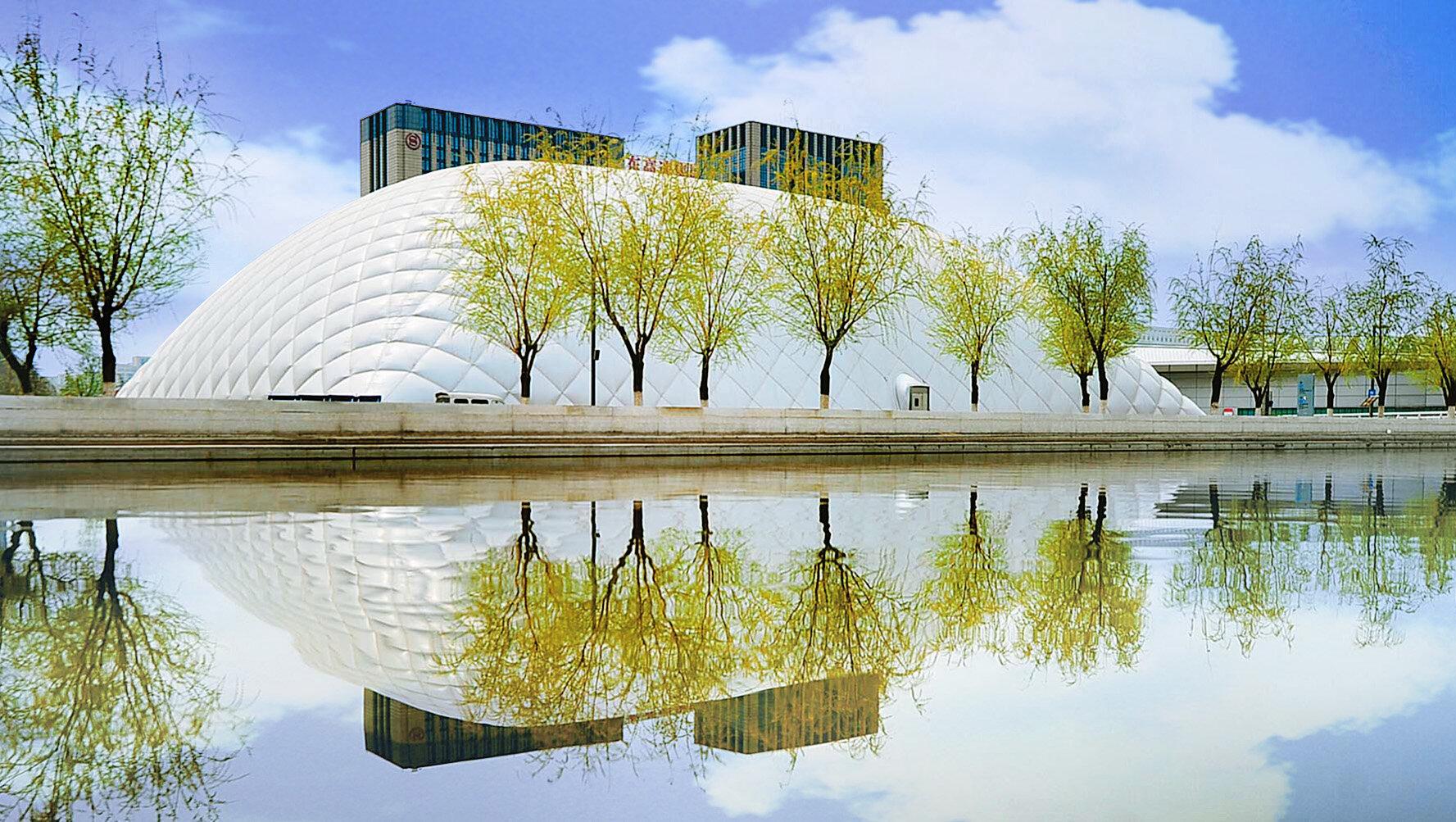
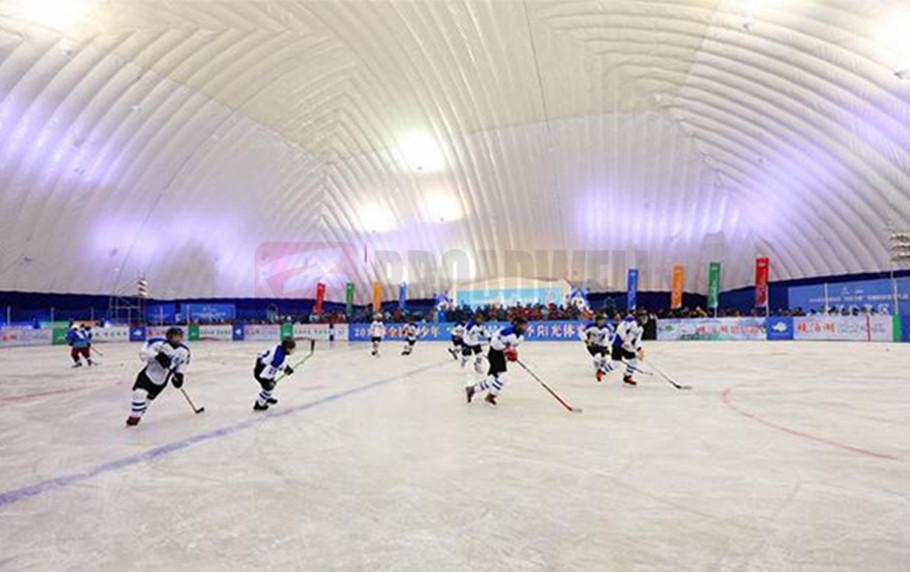
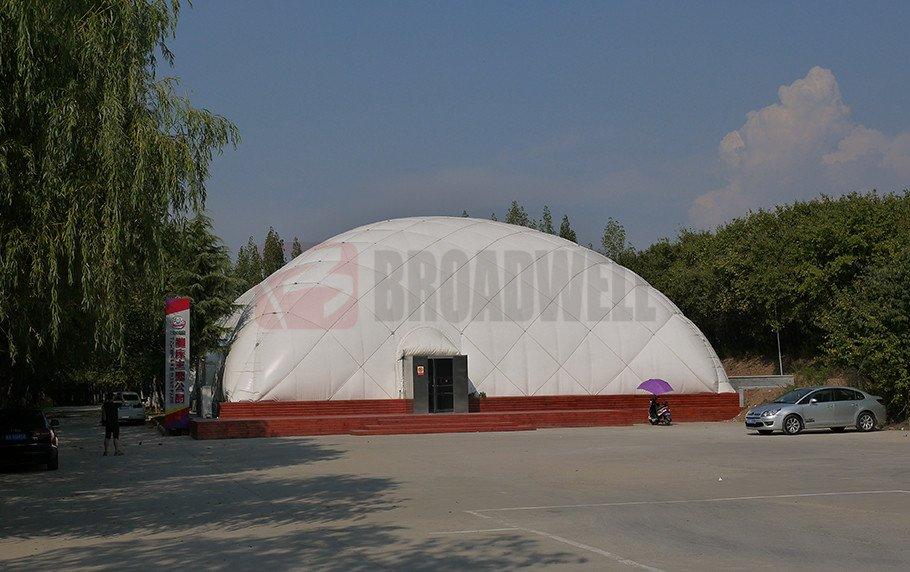
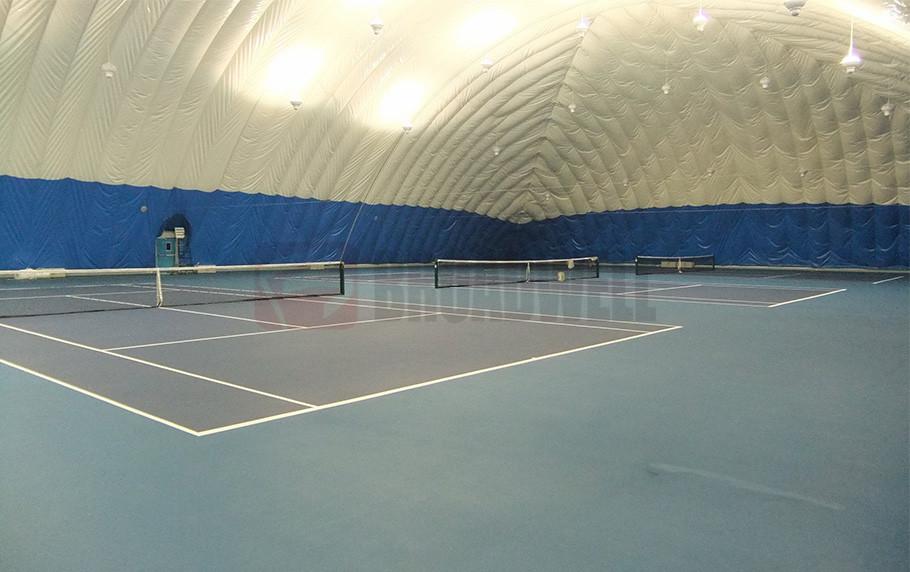
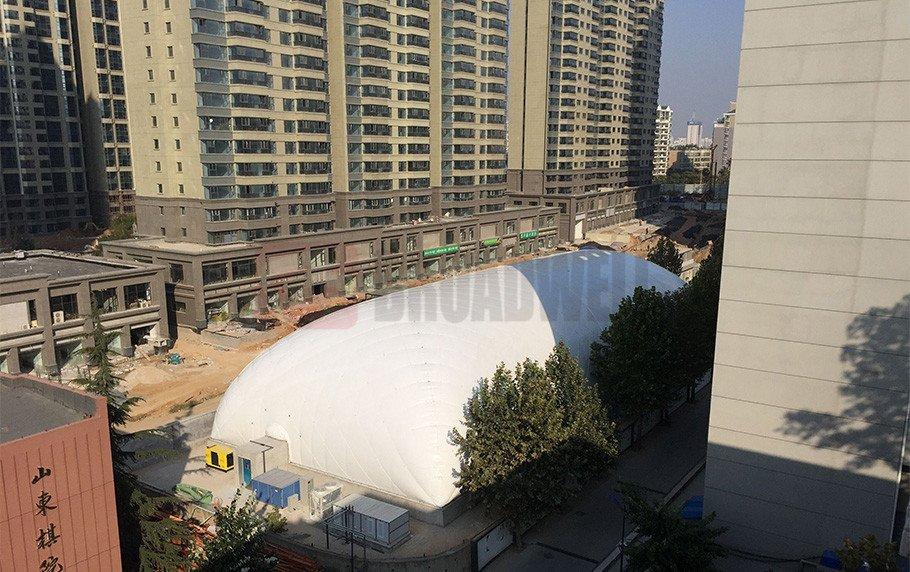
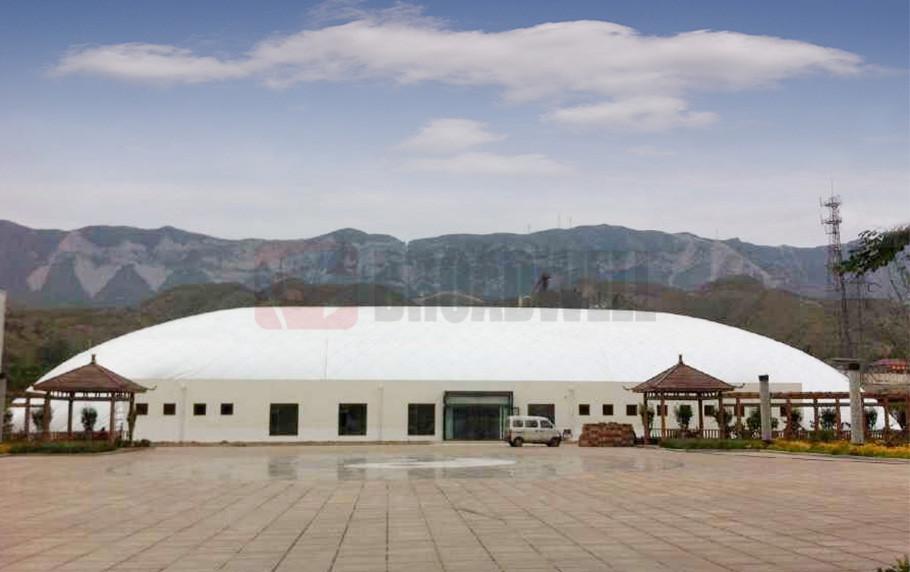
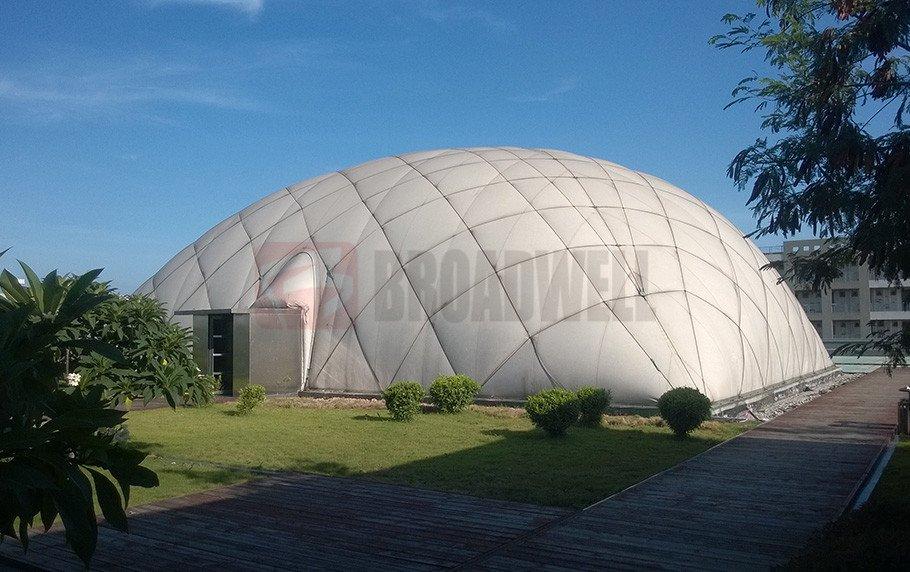
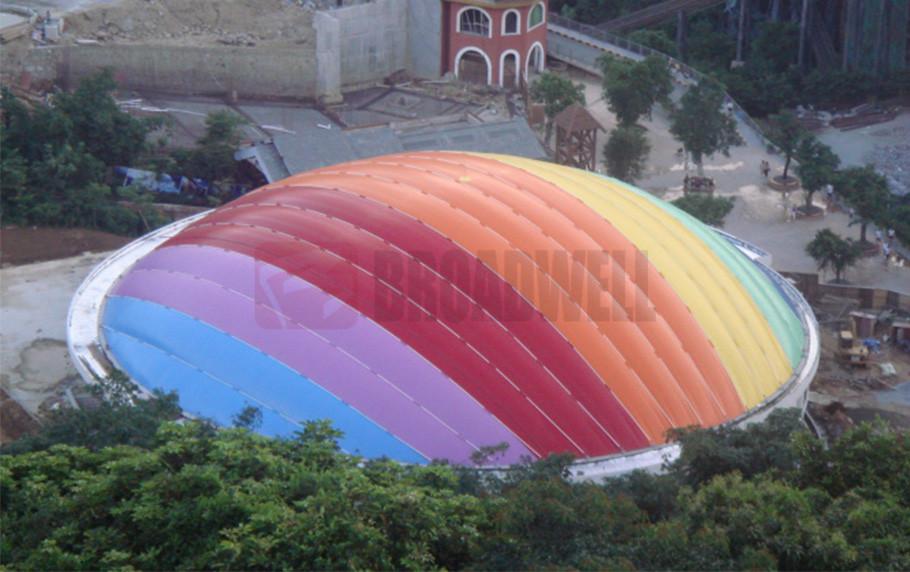
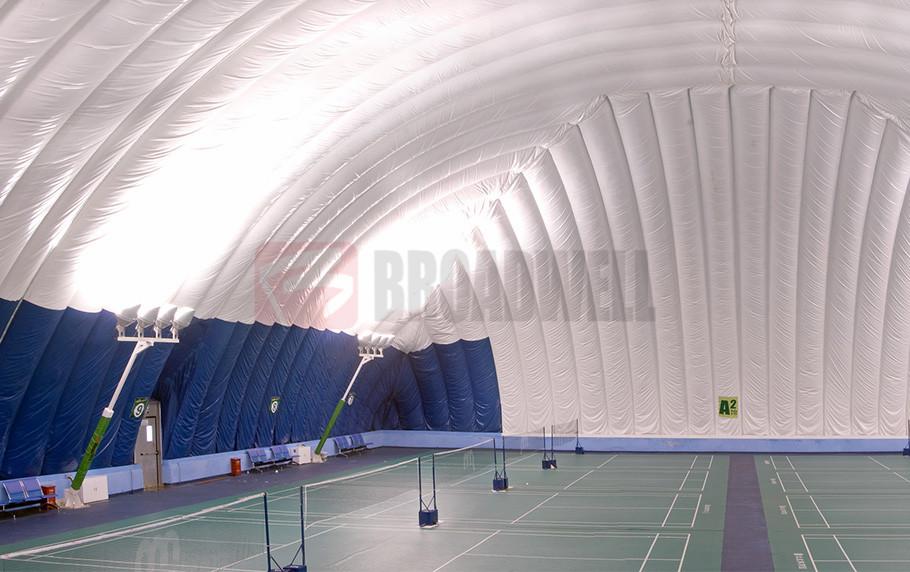
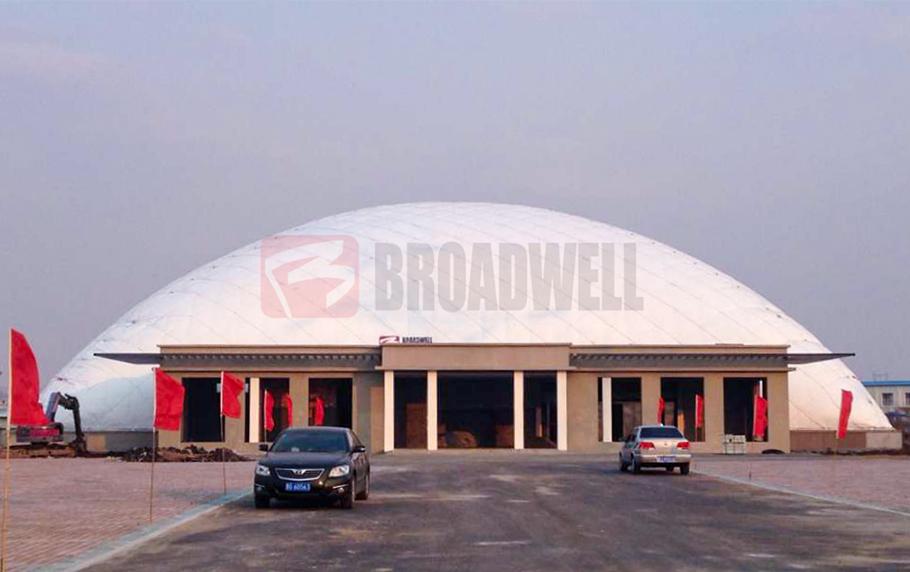
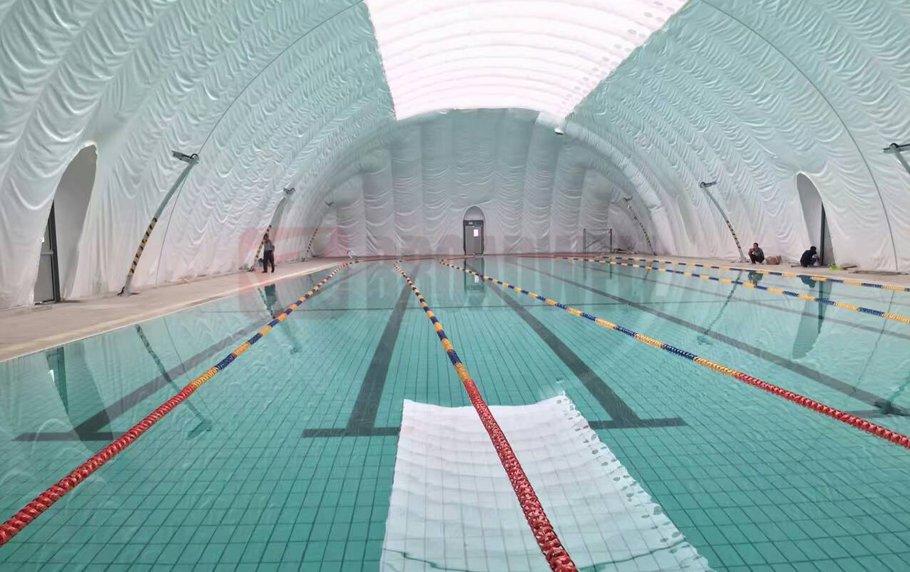
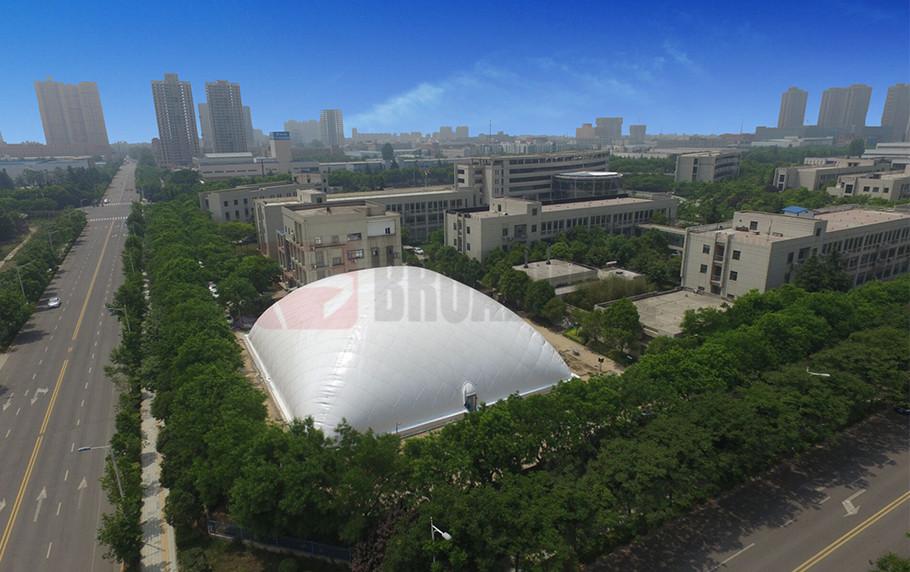
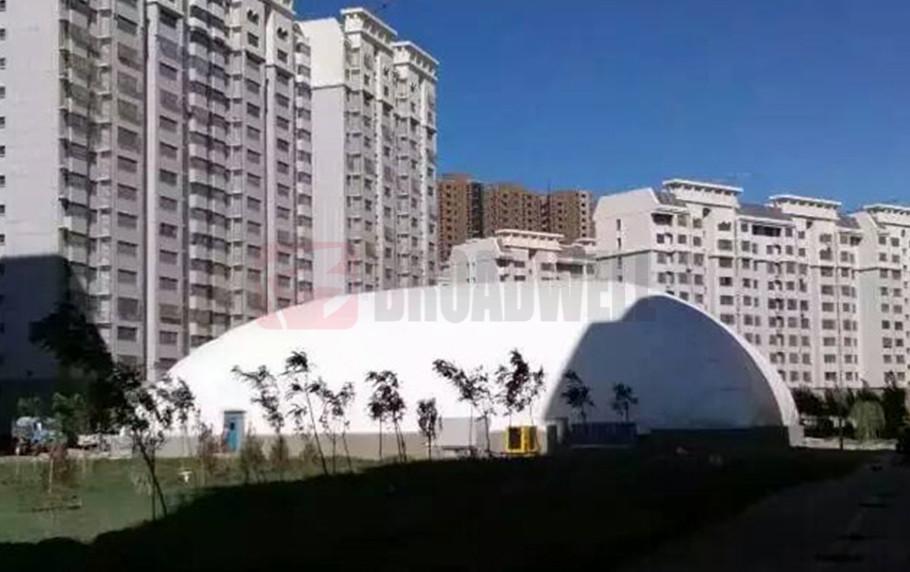
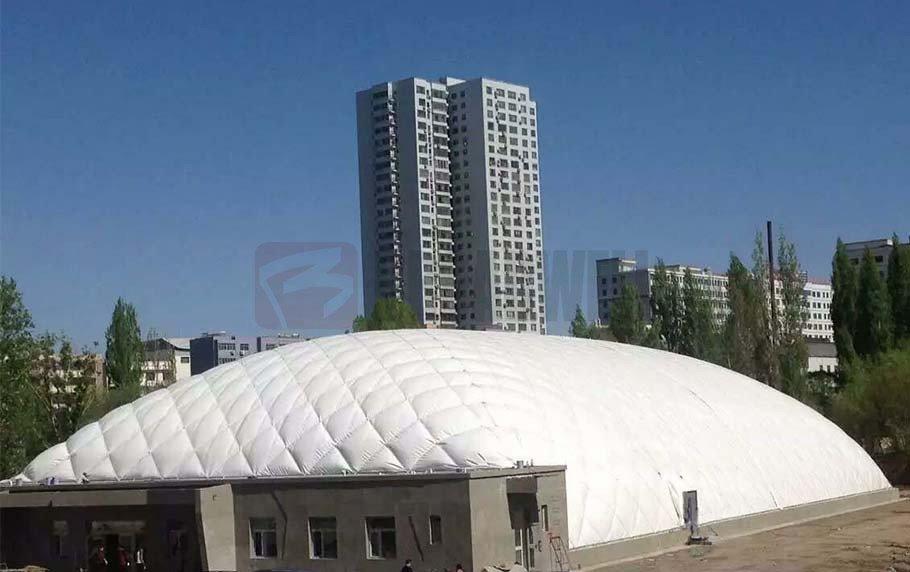
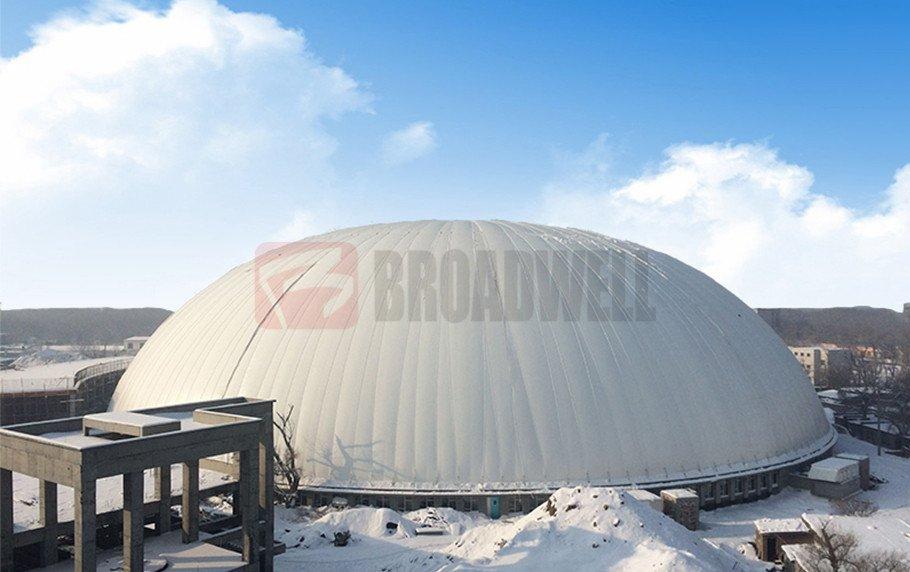
Discover specialized air-supported building options tailored for industrial logistics, dedicated racquet hubs, and aquatic facilities.
Select the stage that best matches where you are in your facility planning journey.
Just Getting Started
Ready to learn the basics?
Explore Air Dome BasicsEvaluating Options
Ready to plan the purchase?
View the Purchase ProcessReady to Talk
Ready to plan your project?
Talk to UsFind quick answers to common questions about athletic air dome construction, costs, and operation.
It depends mainly on size, design snow and wind loads, doors, lighting, and heating or cooling. For courts and turf, air domes typically run about $15 to $60 per square foot all-in, well below a metal building or fieldhouse (Terrapin Construction Group, 2026). A complete project also includes engineering, foundation and site work, and installation. See the full purchase process for a breakdown.
Timelines vary based on size and complexity, but most projects are completed significantly faster than traditional construction.
Yes. Modern systems are designed for year-round use with integrated climate control.
Yes. Seasonal domes are deflated, folded and stored off-season, and a flush grade beam leaves the courts clear for outdoor play. Plan for storage space and a labor crew for each take-down and set-up.
Air domes support a wide range of sports including soccer, tennis, pickleball, and multi-use training.
Yes. A Broadwell Air Dome protects artificial turf from UV degradation and from reaching extremely high temperatures. This prolongs the life of the turf and creates a safer space for children and athletes to play.
Most sports domes use LED sports lighting hung from D-rings welded to the fabric. The layout comes from a photometric design for your sport and level of play, since competition play needs more light than recreation. See sports dome lighting for fixtures and options.
Usually, yes. Your architect and general contractor prepare and file the permit set. Where possible, Broadwell provides drawings, certificates, and test and code reports (a nominal fee may apply); P.E.-stamped drawings are available at additional cost.
A backup blower with its own engine starts automatically, and generator options keep systems running. Even with a total loss of air, a dome deflates slowly, which is one reason interior objects stay at least 5 ft from the fabric.
Usually in an adjacent building connected by an airlock or revolving door, or in attached modular units. See building attachments.
Send us your location, intended use and approximate size. We'll come back with a dome concept, a budget range and a schedule.
Get My Dome Estimate